Wednesday, 3 June 2009

Malaria in Pregnancy- The silent threat for mothers and unborns


A bite from a mosquito is usually not considered a big deal. It itches for a short time and if you do not scratch it you will forget about it in a few minutes. But this little sting can threaten the life of every pregnant woman and the unborn child, if that particular mosquito passes on the malaria parasite. Malaria is the leading indirect cause of maternal mortality, accounting for 11% of deaths during pregnancy or delivery, what comes down to 5830 Nigerian women annually. Further more, it accounts for one quarter of all deaths in under five children in Nigeria.
Malaria is caused by the Plasmodium parasite which is carried by the female Anopheles mosquito. Mosquitoes come out at night in search of a bloodmeal. If a mosquito now bites a person who has malaria parasites in his or her blood the mosquito becomes the transmitter of the disease: The next time it bites another person and inject Plasmodium parasites in the person's blood which will cause malaria. This cycle repeats itself endlessly, resulting in about 300 million of malaria infections each year globally, with 90% of occurring in Africa. It is estimated that a person dies of malaria every ten seconds, most at risk are pregnant women and children under five. WHO estimates malaria sickens about 247 million people and kills nearly 1 million every year. Malaria disproportionately affects the poor, with 58% of malaria deaths occurring in the poorest 20% of the world’s population – a higher percentage than for any other disease of major public health importance.


Taking into consideration that about 7.5 million pregnancies occur every year in Nigeria, the magnitude of the malaria problem reveals itself: Malaria is more frequent and serious during pregnancy, causing anaemia (low blood) a main cause of maternal mortality and morbidity. During an epidemic of malaria, pregnant women are up to three times more likely to develop serious malaria as other adults. Severe malaria is classified by all the signs of uncomplicated malaria (which are fever, shivering, headaches, muscle/joint pains, nausea, mild anaemia and bitter taste in the mouth) plus one ore more of the following danger signs: Dizziness, difficult breathing, feeling drowsy, confusion, coma, severe dehydration, and severe anaemia. At the occurrence of any of this danger signs the woman must be referred to the hospital immediately to avoid complications and death. Complicated malaria requires specialized management at the health facilities, whereas uncomplicated malaria can be easily treated at home if recognized early. It is, however, essential to finish the course of treatment to ensure its efficiency. Unfortunately, malaria in pregnancy not only endangers the mothers. It can also have severe effects on the growth and development of the unborn child. The parasites hide in the placenta where they interfere with the transfer of oxygen and nutrients to the baby. This increases the risk of a spontaneous abortion, stillbirth, pre-term birth, and low weight babies- the single greatest risk factor for newborn death within the first month of life. Malaria accounts for about 5-14% of low birth weight prevalence.


The health consequences of malaria and HIV co-infection are not yet fully understood, but studies show serious implications for pregnant women and their unborn babies. Co-infected pregnant women are at very high risk of anaemia, and their children will havelow birth weights and are more likely to die in infancy. Recent research revealed that levels of HIV in the blood almost doubled when pregnant women with HIV got malaria. Those with impaired immune systems due to HIV/AIDS may also experience more malaria treatment failure. But malaria not only causes huge numbers of preventable deaths, its effects are also influencing communities to a large extent. Malaria results in frequent school absenteeism, missed work and lower productivity, and spending of large sums on medication and treatment. The presence of malaria has also been shown to have a negative impact on macroeconomic growth, inhibiting long-term growth and development to a degree that was previously unimagined. A comparative study of countries with and without malaria suggest that the presence of a high malaria burden results in a 1.3% lowering of the annual growth of the Gross Domestic Product per capita.


Malaria influences socioeconomic decisions, such as the siting of industrial projects, and it impacts negatively on the ability to attract capital developments and skilled labour. The presence of malaria is also an obstacle to the development of tourism in many regions.
The good news is: Malaria is easily preventable, and if detected early is also curable without much effort. The old practice of malaria chemoprophylaxis in pregnancy prescribed a 4 tablets dose of chloroquine at the first antenatal care visit, followed by a weekly dose of pyrimethamine during pregnancy up to six weeks postpartum. This practice, despite its effectiveness, created various problems: Many women are allergic against chloroquine and experienced itching pains, the frequent, regular intake is not guaranteed and sometimes impossible because of the financial burden, and health care providers tend to be uninformed about the correct dosages. As a result, FMOH and malaria Action Coalition implemented a new policy for malaria in pregnancy. One of its key pillars is focused antenatal care, including health education on malaria aiming at malaria prevention. Pregnant women are advised to always sleep under insecticide treaed bed nets (ITNs).

The benefits of ITNs are clear: They repel and kill mosquitoes, prevent physical contact with mosquitoes and additionally kill and repel other insects as lice, bedbugs, and cockroaches. The cost factor must also be considered: ITNs are far cheaper than treatment of acute malaria and they furthermore reduce the number of sick children and adults, ensuring productivity. ITNs can be purchased at pharmacies, in markets, in public and private health facilities or they are distributed by community health workers or NGOs working in the area of disease prevention. If they are used correctly and persistently and are re-treated every six months, ITN have been shown to avert around 50% of malaria cases.


Other areas of focus of the new policy on malaria in pregnancy are early detection & prompt appropriate case management of symptomatic women and intermittent preventive treatment (IPT). IPT replaces the old practice of malaria chemoprophylaxis and is based on the assumption that every pregnant woman living in an area of high malaria transmission has malaria parasites in her blood or placenta, whether or not she has symptoms of malaria. WHO recommends that every pregnant woman should receive two doses of IPT and attend at least 4 antenatal care visits. Presently, the most effective drug for IPT is sulfadoxine-pyrimethamine (SP). Overall coverage of IPT to every pregnant woman is targeted, but special target groups are women in their first or second pregnancies, HIV positive women, adolescent women (aged 10-19), and women with sickle cell disease, as they are more prone to high risk pregnancies.
IPT is best given when the foetal growth velocity is at its highest, in order to reduce placental parasitaemia and resultant foetal growth retardation. That means practically that the first dose should be given from week 16 of pregnancy on, and the second dose should follow with at least 4 weeks space in between up to week 36. But however, if any signs of malaria occur in the woman she still needs to seek medical care.


Without a doubt, these interventions on community level can only succeed if government and other stakeholders completely commit themselves towards the fight against malaria. The key message of the importance of preventing malaria in pregnant women by sleeping under ITNs and taking IPT medication must be passed on to every Nigerian citizen, using both English and the local dialects. The media must be engaged fully in the coverage of malaria issues and educate their audiences on prevention and treatment of the disease. The federal ministry of health need to ensure supply with adequate and sufficient drugs to every health facility and accelerate coverage of free or highly subsidized ITNs and otehr materials for pregnant women and children. All efforts aiming at prevention must be complemented by effective case management of malaria illness for all women of reproductive age, emphasizing screening and prompt treatment for anaemia.


If only detected early enough malaria can be cured, its effects on the unborn child can be prevented and maternal and newborn mortality can be effectively curbed. Antenatal care and treatment can save the lives of thousands of Nigerian mothers and children, so make sure every pregnant woman takes that opportunity!
---Sofia Krauss


Now published on
http://www.champion-newspapers.com/daily%20champion%20files/health/article1.htm

Wednesday, 29 April 2009

Economic Meltdown and Maternal Mortality


Today the entire world seems to be thrown into a state of panic over the present global economic meltdown. All countries of the world are talking about it and strategising on how to get out of the worst in no time. However, one begins to wonder why this is getting this much attention . The answer may not be far fetched. Aside from every other guesses, one salient fact why we have such a rapid and “sincere” response to address the issue of global economic meltdown is because it affects men directly.


The above assertion is based on the fact that despite the alarming rate at which women die while trying to give life (that is during pregnancy, childbirth or 42 days after pregnancy), governments of the world still remain silent on the issue. Even when something seems to be done, it ends up being a policy without a political will. Today, it is estimated that 6.8 million pregnancies occur each year in Nigeria with about 63% ending in planned birth, 10% in mistimed or unwanted births, 16% in miscarriage and 11% in induced abortion amounting to 760,000 induced abortions occurring in Nigeria annually. While considering these facts on the one hand, on the other hand it is equally pertinent to avert our mind to the fact that 1/3 (one in three) of maternal deaths is caused by abortion and 25% (that is, 1 out 4 women in this category) die from abortion complications every year (Facts deduced from “Unsafe Abortion: The silent Killer” by The Campaign Against Unwanted Pregnancy).


Furthermore, the world Health Organisation (WHO) puts maternal mortality ratio at 1,100 to 100,000 life births while the Federal Ministry of Health puts it at 800 to 100,000 life births. However, some practitioners still posit that both figures are under estimated. Beyond the figures, the issue remains that women are dying in the process of giving life. Unfortunately, Nigeria, being the giant of Africa, remains a giant heavily hit by death which could have been avoided as she finds herself in a situation where in every one hour 6 women are lost to complications arising from pregnancy.


Despite the above facts, Nigeria is still deeply rooted in the “denial culture”. While induced abortion continues to cause maternal death still we deny its existence. Maternal mortality is also on the increase, because getting contraception is difficult, the primary health care system is weak and there is little or no sincerity in government policies at addressing this issue.
Maternal mortality, most likely, would have been long dealt with by a radical approach if men also directly experienced it (possibly in form of paternal mortality). Concrete results would have been achieved if men also experienced pregnancy and complications arising.. There would have been progressive laws and adequate funds for tackling this silent killer. However, this first proposition is impossible at least given the human biological nature.


Thus, it is pertinent to look at practical ways of reducing maternal mortality. Firstly, there must be conscious effort of all and sundry geared at improving upon family planning services and increasing the knowledge base of women on the proper use of contraceptives including emergency contraceptives pills. Secondly, poverty and illiteracy level of women must be looked into. Sexuality (Family Life) education should be incorporated into secondary school curriculum. Thirdly, abortion care services should be made safer and the laws reformed. Also, the media should make positive effort at disseminating clear message on the need to prevent unwanted pregnancy and unsafe abortion. More importantly, men should be educated about their sexual and reproductive health responsibility to their wives, partners, and daughters and so on. Lastly, a situation where a girl who gets pregnant is sent out of school and never readmitted to school while the boy who had impregnated her remains in school is not proper. The girl should be given an opportunity to return to school after child birth.


The above not withstanding, women, aside from children, are the worse affected by the economic meltdown. Given the situation where a lot of women live below poverty level (that is, less than $1 a day) and now compounded by the present global economic meltdown, the purchasing power of women even to assess contraceptive is further inhibited. Therefore there is need to look at making contraceptive not just available to women but also available to women free of charge. It is worthy to note also that the proper use of contraception by women would also help the country in its population control with a rather bad growth rate of 2.8%.
Saving the lives of our women is our responsibility as a nation. Save the life of a woman, save the nation from going into extinction some day.


*Lucky Kawe

Tuesday, 28 April 2009

Hazards of Teenage Pregnancy


It is no longer a diplomatic statement that young people in the last decade, especially within the age group of 10-18 years, are living beyond the yard sticks of adventures compared to the youths of the 60s'. A blend of unpredictable, news breaking activities and issues of topmost concern has risen in the last few years. One of the most striking facts is the rising number of teenage pregnancy. Teenage pregnancy is a result of sexual intercourse between young girls and boys who are in their growing years, exploring the changes happening in their bodies by having unsafe sex with each other. Health organizations across the world are still in the frontlines of reducing maternal deaths due to complications and diseases, with an ever rising more to do with the increasing number of teenage pregnancy.

Bearing a child while still a child themselves, these young mothers are prone to birth injuries and maternal death. It also affects their emotional well being: Teenage mothers are 3 times more likely to suffer from post-natal depression and experience poor mental health for up to 3 years after the birth. Children born to teenage mothers have 60% higher rates of infant mortality and are at increased risk of low birth-weight which impacts on the child's long-term health. Further more, they are at increased risk to be brought up in poverty.


“These adolescent actions have matured consequence”, states Chineye Nwokolo (18 years), a member of Youth Rescue Club, a teenage advocacy group based at Association for Family and Reproductive Health (ARFH) Ibadan. Chineye narrated about the terrain of her adolescence, compared to the experience with a pregnant girlfriend of hers:“About three years ago, I lost a friend to the plight of teenage pregnancy. She dropped out from being my classmate in school and could hardly be regarded to enjoy any teenage experience, like I did. Her name is also Chineye. I saw my friend draw back from what could have been a future for her into the waters of idleness, pain, outright isolation and oblivion. Against my convictions, Chineye's family believed she had brought home a gift into the family. Her mother was a sales woman in the market and her dad just lost his job; tentatively speaking they are a well-to-do family. Chineye had four sisters, for their middle age mother who was closing in to the end of child bearing years this was an opportunity to have a son through her daughter. Her parents did not really care who was responsible but looked forward to the joy of having a male child in the family at all cost, which makes me wonder if she was not pushed out by her parents in the first place to get pregnant! With her parents support, my friend exploited the opportunity to be pampered in her new state. She gave birth and soon enough was back in the crooks and corners were she got pregnant in the first place; I tried reaching out to her to understand the social setback it has cost her but she excusably pointed out to other girls around us who were also getting pregnant. Pregnancy was now a fashionable trend in our community, and week in and out somebody was naming a child, become victim of maternal death, or was commercially parading their pregnancy status. Chineye's child, the adorable little girl, died 4 weeks after delivery. Apparently the family had stopped celebrating the newborn girl with respect to having expected a boy. Little attention was being paid to her medically. She was gone within a short while of her arrival.I can't put a value on the opportunity she missed out in her academics, social growth and uniqueness. My strong convictions are that Chineye represents thousands and thousands of children who are living under the hazard of teenage pregnancy due to the low level of orientation about teenage pregnancy; indiscipline by the parents and moral guidance on understanding the teenage adventures.”

Evidence from areas with the largest reductions has identified a range of factors that need to be in place to successfully reduce teenage pregnancy rates. These factors include a well-publicised contraceptive and sexual health advice service which is centred on young people. The service needs to have a strong remit to undertake health promotion work, as well as delivering reactive services. It is key to prioritize sexual and reproductive health education at schools, supported from the local authority to develop comprehensive programmes of sex and relationships education (SRE) in all schools. A strong focus on targeted interventions with young people at greatest risk of teenage pregnancy, in particular with looked-after children must be put in place to effectively curb teenage pregnancies and its many undesirable effects.

-Femi Adeolu Amele

Friday, 17 April 2009

Which way to 2015, Nigeria?

Creating a supportive environment for maternal and newborn health


Despite the relatively short time left until 2015, Nigeria still lags behind in reaching her Millennium Development Goals. The gap becomes most obvious in the area of maternal, newborn and child health, encapsulated in the MDGs 4 & 5. Nigeria is the world's second largest contributor to maternal mortality, accounting for 10% of all global maternal deaths. This sad second-highest ranking is also found in under- five mortality rates, resulting in the death of one out of every five Nigerian children before their fifth birthday (191 out of every 1000 children). This number is shockingly high, especially compared to the target of 77 out of 1000 which is to be achieved in only six years time. If we look at maternal morbidity the condition seems similarly grim: MDG 5 aims at curbing maternal mortality from presently 1000 per 100.000 life births, signifying mothers dying in the course of pregnancy, delivery or immediately after childbirth, to 250 out of 100.000, a reduction of about three quarters. The key question remains: Can these goals ever be met?

The most reasonable response is: Yes, they can. But there are many steps to be taken to effectively curb maternal and infant deaths in Nigeria. A supportive environment for maternal, newborn and child health must be created through various approaches, programs, community interventions and involvement of all stakeholders, most importantly the Nigerian society. Education for women and girls is essential, as women are the center of all interventions in maternal and child health issues. Research has shown that education until at least secondary level lowers maternal and child mortality drastically. On the one hand, these women are less likely to marry early which delays their first pregnancy and lowers their exposure to maternity risks. Complications from pregnancy and childbirth are an important cause of mortality for girls aged 15-19 worldwide, accounting for 70.000 deaths annually.

If the first pregnancy can be delayed till at least 20 years of age maternal mortality risks are curbed drastically and the babies of women over 20 are most likely to be healthier. These women are far more likely to immunize their children and provide adequate nutrition and disease prevention, resulting in reduced infant deaths. Furthermore, women's education sustains economic growth, thereby automatically creating a better health system. Children of underage mothers often suffer from low birth-weight, malnutrition, and late physical and cognitive development. To create a supportive environment for mothers and children, women must be more involved in decision making processes, both at household level (studies have shown that when women are able to participate in key decisions in the household, they are more likely to ensure that their children are well nourished and seek appropriate medical care for themselves and their children) and within the communities. Community initiatives are highly effective in improving the health of mothers and children as they can challenge attitudes and practices that entrench gender discrimination. Women can share work and pool resources, for example in contributing money to pay transport to the hospital in case of an emergency.
Regular visits and basic health education through community health workers is a key pillar of necessary interventions. The health workers advocate for key household practices such as sleeping under insecticide treated bed nets to prevent mosquito bites and malaria, exclusive breastfeeding, and hand-washing with soap or ash. All these interventions have been proved highly effective in ensuring the health of children and mothers and prevent the most common causes of child death. And they are practically for free.

These initiatives aiming at women empowerment need to be backed up by community support, above all by from ment. Present attitudes of gender discrimination need to be addressed and challenged. This calls for the help and commitment of religious & community leaders towards improving the situation for women in Nigeria. Harmful traditional practices such as child marriage and female genital mutilation (FGM) need to be abolished completely. Another field of action is the prevalence of physical violence against women, which causes many health problems for women and their born or unborn babies. Legislation against woman-battering must be implemented and effectively enforced throughout the country.
Without a doubt, the government also has to play its role and deliver the adequate services at critical points. This includes investment in infrastructure to ensure the access to safe water, good nutrition, adequate sanitation and hygiene facilities, as well as disease prevention and treatment for every Nigerian citizen. Facilities must have sufficient medicines, supplies, equipment and trained personnel. Every pregnant woman must be granted the access to quality antenatal care, skilled assistance at delivery and clean delivery facilities to prevent severe infections. In case of an emergency, EOC (Emergency Obstetric Care) should be available at every secondary and tertiary health facility to save the life of mothers and newborns alike.

After giving birth post-natal care and neonatal care should be easily available at every health facility. Antenatal and postnatal care also serve as a means of educating the mother on best practices with her newborn, stress the importance of exclusive breastfeeding and promote hygienic child care. In order to put all this initiatives in place it is essential to expand the Maternal, Newborn and Child health workforce and establish solid financing mechanisms. Government must be prepared and willing to allocate more resources to MNCH- because it is the nation as a whole who will finally profit from living mothers and healthy babies.

--Sofia Krauss

A critical view of malaria homecare and the new global malaria drug subsidy


Treating African children at home for malaria doesn't help in cities because most fevers aren't actually caused by malaria, said a new study published online in the medical journal Lancet. Experts monitored more than 400 children aged between 1 and 6 in Kampala, Uganda, from 2005-2007. Malaria drugs were distributed to households where parents had been told by researchers to automatically treat their children if they became feverish. Roughly half the children were treated at home while the other half were taken to health clinics within a day of developing a fever. The study found that children at home got twice as many medicines as those taken to clinics, but didn't do any better.


Home-based management of fever aims to improve the chances that a child with malaria will be promptly and appropriately treated. In high-prevalence settings, treatment with antimalarial drugs is likely to be appropriate, since the cause is more likely to be malaria than not. However, in settings with lower transmission rates, there is a risk that children with non-malarial fever will be treated as having malaria and the true underlying cause (such as pneumonia) will not be addressed.Some doctors said the study showed a worrying tendency to treat fevers before they were diagnosed as malaria: "If you just go on fever, you're over-treating so many children and you could miss other diseases by using malaria drugs," said Dr. Tido von-Schoen Angerer of Doctors Without Borders. Malaria medicines don't work on fevers caused by other diseases, and children can die if they are not properly treated.


Previous studies have found home treatment works in rural areas. But malaria is also a problem in cities, and will have to be tackled differently there than in the countryside. Across Africa, the World Health Organization puts the figure of children promptly treated with effective medication at only 3 percent. The United Nations and partners lately announced a $200 million strategy called the Affordable Medicines Facility for Malaria to make drugs cheaper in 11 African countries. The Affordable Medicines Facility for Malaria (AMFm) will massively subsidise the price of artemisinin-based combination therapies (ACTs), the most effective malaria treatments that exist today. The scheme seeks to reduce the price of ACTs sufficiently to drive older, ineffective treatments that are still being purchased because they are considerably cheaper, out of the market. Von-Schoen Angerer and others worry the tendency to over-treat malaria, as provn by the Lancet study, will be worsened by the strategy. They fear it will flood the market with drugs that promote resistance.


The initiative, led by WHO and the Global Fund to fight AIDS, tuberculosis and malaria, will subsidize the price of artemesinin combination therapies, the most effective malaria treatments. But the U.N. has not insisted the drugs be combined in a single pill, which would curb the resistance risk. Artemesinin combination therapies are also sold as several pills. Some cause side effects like nausea, and patients commonly throw those pills out, encouraging resistance. "The risk of resistance is very scary," von-Schoen Angerer said. "We don't have a back-up medicine at this stage." Richard Tren, director of the nonprofit Africa Fighting Malaria, called the U.N. initiative "an untested experiment," and warned the strategy could backfire. "We need policies based on evidence," he said. "And the evidence this could work is pretty shaky."

Thursday, 26 March 2009

The Role of Education in addressing maternal health and the newborn child


At a critical time, when one could describe the status of educational impartation to be tangling across progress and recession, stakeholders in the education sector, media and advocate of national hope converged at Development Communications Network to discuss the way forward. Facilitators for the media forum were Mrs. Abolaji Osime, State team leader of Education Sector Support Program in Nigeria (ESSPIN), supported by Mrs. Taiye Alagbe, Communication & Knowledge Management Officer of ESSPIN.

Abolaji Osime briefed the media group on the core values which ESSPIN represents and on how the organization has been in the fore front of supporting the Federal and State Governments in Nigeria to make sustainable improvements in basic education services. “With a strong program output, ESSPIN has ventured into strengthening the governance framework of the Federal Government to enable basic education reform, strengthening State-level governance and management of basic education reform, improve the learning environment for children and promote demand for better education services” stated Mrs. Osime.

The state team leader also pointed out the pivot relationship between education and health: “Investments by Government in nutrition, health and education have a long term impact on economic growth and social development. Education improves hygienic practices. The use of health practices such as family planning allows the individual to make better choices impacting on productivity, which in turn has a significant impact on economic growth, poverty eradication, child survival and improved maternal health.”


She stressed that health & education were extremely important, as they are subject of 5 out of 8 Millennium Development Goals. Healthy populations are a major engine of economic growth. But Nigeria continues to strive to meet up with its goals for 2015, which are (MDGs related to health & education):
Achieve universal primary education
According to FME, only about 50% of children under the age of 15 are in school in Nigeria. There are major disparities between the North and south, rural/urban areas and across genders

Promote gender equality and empower women
Percentage female enrolment is about 45%

Reduce child mortality
Nigeria is ranked 14th in the world in under-fives deaths. 1million children under age 5 die each year (close to 200 out of every 1000 children in national average). The major causes of infant mortality are acute respiratory infections, malaria, diarrhoea and HIV/AIDS. Underlying these deaths are levels of education, poverty, ignorance, socio-cultural and religious issues. If we proceed at this level, it will take us 70 years to achieve the MDGs.

Improve maternal health
Nigeria accounts for 10% of maternal deaths worldwide; although the country only accounts for 20% of the worlds population


Combat HIV/AIDS, malaria and other diseases
Due to its prevalence, malaria has had an impact on productivity and is a major cause of infant mortality. Studies show that between 1 and 5% of Nigeria’s GDP is lost to malaria

It was pointed out that there is a need to anchor our values in the health and education system around core features such as motivation to learn, active community participation, value of academic achievement, ability to proceed to further learning, social and civic skills, economic well-being and healthier students.

WHO defines Health as a State of complete physical, mental and social well being and not merely the absence of disease or infirmity. Good health not only promotes human development, it enhances work skills and promotes economic growth via increased productivity.
Early marriage is a huge contributor to maternal morbidity and mortality. Bearing a child while still an adolescent herself, these teenage girls are twice as vulnerable to complications during pregnancy, birth injuries, and maternal mortality than mothers above the age of 20.
National Demographic Health Survey (NDHS) 2003 shows that women who attended at least 7 years of school are far less likely to marry before the age of 20 ( 25,5%) compared to those who attended less than 7 years of schooling (83,5%). Female education must therefore be given priority in effectively curbing maternal mortality, as women with a higher educational level are also more aware of risk signs during pregnancy and after delivery, are more likely to seek medical care, and use modern methods of contraception more often. Furthermore, female education is closely linked to child survival : An educated woman is 50% more likely to have her children immunized and deaths of children under five years of mothers who have spent at least seven years in primary education is reduced drastically. (NDHS,2003)

Friday, 6 February 2009

6th of February: International day of zero tolerance for Female Genital Mutilation (FGM)


"All over my thighs were marks from the ropes, dotted with patches from the lice wounds. Now I was to look after myself, to ensure that everything remained intact until the day I married."
—From "The Cut," Maryam Sheikh Abdi's autobiographical poem

Female Genital Mutilation/Cutting, the act of cutting, removal, and sometimes sewing up of external female genitalia for cultural or other nontherapeutic reasons still poses a huge threat to the health and life of millions of women: An estimated 100 million to 140 million girls and women worldwide have undergone female genital mutilation/cutting (FGM/C) and more than 3 million girls are at risk for cutting each year on the African continent alone.
This harmful tradition continues to take place today in Nigeria, irrespective of religion or culture, for reasons that include: Beliefs about health and hygiene, custom and tradition, religious demand, aesthetic reasons, protection of virginity, increasing sexual pleasure for the husband, enhancing fertility and increasing matrimonial opportunities.
According to the latest DHS findings (2003) 85% of girls who have undergone FGM were circumcised between the ages of one and four.
A highly respected woman in the community, such as birth attendants, barbers and medical health workers, performs the ritual. It causes physical and psychological damages to the victims and its effects are both immediate and life-long. The physical effects are as follows: Uncontrolled bleeding, severe pain, urine retention, genital ulcerations, scar formation, VVF/RVF, shock, increased risk of HIV/AIDS infection, and even death.
Some long-term complications, such as infection, have been known to cause infertility and obstructed labour.

The psychological effects are seen in anxiety, depression, frigidity and elimination of sexual pleasure. (Nigeria Progress Report on FGM for WHA 2008)

FGM is a fundamental violation of women’s and girl’s rights. It violates the right to health and to physical integrity, to be protected from harmful traditional practices, to be free from injury and abuse.
Furthermore, girls usually undergo the practice without their informed consent, depriving them of the opportunity to make independent decisions about their body.

Ten states in Nigeria have passed legislation outlawing FGM and zonal training workshops for ex-circumsisors on alternative employment have been conducted, but as a result of inadequate funding, resistance to change as FGM is deeply rooted in culture and erroneously in religion, the so-called “medicalisation” of the FGM practice ( involvement of modern health practitioners in the performance preventing the development of effective and long-term solution for the abandonment of FGM ), and lack of legislation against FGM at the national level there is still an estimated 19 % prevalence of affected women aged 15-49 throughout the country.

Thursday, 5 February 2009

UNICEF releases 'The state of the world's children report' 2009

On January 15 2009, UNICEF launched the new "The State of the World's Children" report whose focus is on maternal and newborn health. Those are known to be very pressing problems all over Africa and Asia. The lifetime risk of maternal death for a woman in a least developed country is more than 300 times greater than for a woman living in an industrialized country. Nigeria is one of the major contributors to maternal and infant mortality; and an extra chapter is dedicated to maternal health in Nigeria:

Nigeria is Africa’s most populous country, with 148 million
inhabitants in 2007, 25 million of them under age five. With
almost 6 million births in 2007 – the third highest number in
the world behind India and China – and a total fertility rate
of 5.4, Nigeria’s population growth continues to be rapid in
absolute terms.
In addition to its sizeable population, Nigeria is known for
its vast oil wealth. Nonetheless, poverty is widespread;
according to the latest World Development Indicators 2007,
published by the World Bank, more than 70 per cent of
Nigerians live on less than US$1 per day, impairing their
ability to afford health care.
Poverty, demographic pressures and insufficient investment
in public health care, to name but three factors, inflate levels
and ratios of maternal and neonatal mortality. The latest
United Nations inter-agency estimates place the 2005 average
national maternal mortality ratio at 1,100 deaths per
100,000 live births and the lifetime risk of maternal death at
1 in 18. When viewed in global terms, the burden of maternal
death is brought into stark relief: Approximately 1 in
every 9 maternal deaths occurs in Nigeria alone.
The women who survive pregnancy and childbirth may face
compromised health; studies suggest that between 100,000
and 1 million women in Nigeria may be suffering from
obstetric fistula. Neonatal deaths in 2004 stood at 249,000,
according to the latest World Health Organization figures,
with 76 per cent taking place in the early neonatal period
(first week of life). Inadequate health facilities, lack of transportation
to institutional care, inability to pay for services
and resistance among some populations to modern health
care are key factors behind the country’s high rates of
maternal, newborn and child mortality and morbidity.
Disparities in poverty and health among Nigeria’s
numerous ethnolinguistic groups and between its states
are marked. Poverty rates in rural areas, estimated at
64 per cent in 2004, are roughly 1.5 times higher than the
urban-area rate of 43 per cent. Moreover, the poverty rate
in the north-east region, which stands at 67 per cent,
is almost twice the level of 34 per cent in the more
prosperous south-east.
Low levels of education, especially among women, and
discriminatory cultural attitudes and practices are barriers
to reducing high maternal mortality rates. A study at the
Jos University Teaching Hospital in the north-central region
shows that nearly three quarters of maternal deaths in 2005
occurred among illiterate women. The mortality rate among
women who did not receive antenatal care was about 20
times higher than among those who did. Of the several ethnic
groups represented among the patients, Hausa-Fulani
women accounted for 22 per cent of all deliveries and 44
per cent of all deaths. The Hausa-Fulani represent the
largest ethnic group in northern Nigeria and are therefore
critically affected by this region’s higher poverty rates.
Cultural attitudes and practices that discriminate against
women and girls contribute to maternal mortality and morbidity.
Child marriage and high rates of adolescent births
are commonplace across Nigeria, exposing girls and
women of reproductive age to numerous health risks.
Given these complex realities, developing strategies to
accelerate progress on maternal and newborn health
remains a considerable challenge. But the Government of
Nigeria, together with international partners, is attempting
to meet the challenge. In 2007, it began to implement a
national Integrated Maternal, Newborn and Child Health
(IMNCH) Strategy to fast-track high-impact intervention
packages that include nutritional supplements, immunization,
insecticide-treated mosquito nets and prevention
of mother-to-child transmission of HIV.
The strategy is to be rolled out in three phases, each lasting
three years, and has been designed along the continuum of
care model to strengthen Nigeria’s decentralized health system,
which operates at the federal, state and local levels. In
the initial phase, covering 2007–2009, the key focus will be
identifying and removing bottlenecks, while delivering a
basic package of services using community-based and
family-care strategies. A sizeable proportion of expenditure
will go towards artemisinin-based combination therapy to
combat malaria in women, children and newly recruited
and trained health workers, particularly in rural areas. As
basic healthcare improves, it is anticipated that the demand
for clinical services will increase.
The second and third phases of the IMNCH will place
greater emphasis on building health infrastructure. Over
nine years, the strategy aims to revitalize existing facilities,
construct clinics and hospitals, and create incentives –
such as dependable salaries, hardship allowances and
performance-based bonuses – that will help retain skilled
health professionals in Nigeria’s health system.
The IMNCH strategy, if implemented in full and on time,
can markedly improve maternal and newborn health.
Together with this package, the country has recently passed
the National Health Insurance Scheme, which integrates
the public and private health sectors to make health care
more affordable for Nigerians. If the government passes
the National Health Bill, which is currently before the legislature,
a direct funding line for primary health care will
become available. These health-system improvements have
the potential to set a new course for meeting Millennium
4 and 5 in Africas largest nation.

Friday, 30 January 2009

Induced abortion, major cause of maternal mortality

“Of the main causes of maternal mortality, unsafe abortion is the single most preventable cause of death” states the sixth periodic report of Nigeria to the CEDAW Committee. It has been estimated, that more than 456.000 unsafe abortions take place every year in Nigeria, as a result of the restrictive abortion law which permits abortion only to safe a pregnant woman's life. Nigeria loses about 34.000 women every year due to induced abortion and the complications. As a matter of fact, a number of complications have been reported to have stemmed from the process of trying to carry out an abortion. Such complications including severe bleeding, pain and fever are obviously life-threatening and could lead to death if proper post- abortion treatments are not carried out.

It has been argued that a cross-section of Nigerian women who are not educated wants to have as many children as possible, but they suddenly realize that with the economic situation and the cost of raising many children, they have to device means of reducing the number of children they bear. That is not to say that only uneducated Nigerians engage in abortion practices; even the educated class who fail to adopt family planning techniques find themselves in tight corners.Induced abortion is basically a deliberate attempt to terminate a pregnancy prematurely. Several methods have been associated with the practice, mostly determined by the financial status and the level of exposure as well as the amount of information a pregnant woman is armed with.Although quiet a number of abortions are done in the hospitals, yet the high toll of death occurring from unsafe abortions performed by quacks and through other unprofessional means still remain worrisome. Findings have revealed that an average of 760, 000 induced abortions occur annually with the methods adopted ranging from consulting a local chemist, a traditional healer to ingesting tablets, while a lot of abortions are carried out by the patients themselves.

Several factors may be responsible for terminating a pregnancy; it is indispensable to state at this junction that an unsafe abortion is dangerous and should not be encouraged. There is a need for urgent re-orientation of the Nigerian women about abortion and its consequences. It is not a gainsaying that the avoidance of an unwanted pregnancy through the use of effective family planning techniques administered by a qualified medical practitioner could reduce maternal mortality by an appreciable percentage.Lastly, an effective abortion law and reproductive right should be given priority in order to address maternal health and right with emphasis on the post abortion care; which can be achieved by the co-operation between the government, stakeholders, NGOs and international organizations.

Monday, 15 December 2008

Child Development Index (CDI) ranks Nigeria amongst the worst countries worldwide in terms of child health & development


Nigeria's Index Score :
1990-1994 49.37
1995-1999 43.06
2000-2006 40.53


Sub-Saharan Africa’s Regional Index Score :
1990-1994 43.4
1995-1999 41.0
2000-2006 34.5


CDI Ranking 126th of 137 countries (in 2000-06)


Save the Children UK has introduced the first ever multi-dimensional tool to monitor and compare the well-being of children around the world. More than 135 developed and developing countries worldwide have been assessed through the following methodology:
Each country has been given a score from 0-100, resulting in its ranking. The score is compiled by adding up each country’s performance in 3 child-specific areas: child mortality, child malnutrition, and primary school enrolment. A low score and ranking are best, representing a low level of child deprivation. Niger has the worse score, at 58, ranking 137th of 137 countries in 2000-06.

Nigeria’s Child Development Index score and its ranking are shown above; they are high, indicating a high level of child deprivation. It scores worse than the most recent Sub-Saharan Africa average score of 34.5, and much worse, predictably, than the world score of 17.5 in 2000-06. Nigeria is categorised as a low income country and its score is also higher than the average low income group score of 29.2.

Nigeria’s overall improvement of 18% is slower than the Sub-Saharan Africa (SSA) regional rate of improvement of 20.5% over all three periods, which is well below the world average improvement of 34%. Worst still, Nigeria ’s rate of improvement has stalled drastically; from a 12.8% improvement between the first and second period to a meagre 5.8% improvement between the second and last periods. This is in reverse to the SSA performance, which accelerated after the middle period.

Until recently, Nigeria was one of the most highly indebted countries in the world. At the same time, aid was scarce when it is considered that it is Africa ’s most densely populated country with over 140 million people. While Nigeria is one of the world’s largest oil producers, the country’s oil income amounts to just 24p per person per day.Shackled by a long history of military dictatorship, instability and corruption, the country has failed to integrate the commitment and resources necessary to achieve meaningful progress.

Looking at the individual indicators that make up the Index we see that although there does not seem to be a particular indicator driving Nigeria ’s results,the greatest improvements have been made in terms of the nutrition indicator, with a 20% positive change. Their education indicator has improved by 18% overall but as of 2005, only 63.4 % of all primary school-aged children were enrolled. Most worrying is the country’s under-5 mortality rate which remained at 191 deaths per 1,000 live births in 2006. Despite such a disturbingly high rate, Nigeria ’s improvement on this indicator has only improved by 17% overall. A 23% positive change between the first and second periods lost momentum and actually regressed by 9% between the second and last periods.


It is most interesting to compare how each country ranks in CDI Index with how each ranks in the UN’s Human Development Index (HDI). Nigeria comes 117th in a ranking of all 137 countries using the HDI, but 126th in the Child Development Index. This means that there is a significant difference between child well-being and adult well-being. In this case, Nigeria performs worse in terms of the CDI then the HDI.

The comparisons of CDI Index with income ranking and HDI ranking demonstrate that child well-being can often present a very different picture from traditional measures; this is why the Child Development Index should be disseminated throughout the world and used to help hold governments accountable on child well-being.

Friday, 12 December 2008

2nd Meeting of NATIONAL PARTNERSHIP FOR MATERNAL, NEWBORN AND CHILD HEALTH takes place in Abuja

To join forces in the fight against abysmally high maternal and infant mortality in Nigeria the PARTNERSHIP FOR MATERNAL, NEWBORN AND CHILD HEALTH has been inaugurated in April 2008. The partnership includes not only various departments of the Federal Ministry of Health (such as Family Health, Nutrition, Child Health, Publicity Department), but also involves developmental partners as WHO and UNICEF, national and international non-governmental organizations and representatives of the private sector.

The first meeting introduced a new approach to curb maternal and child morbidity and mortality: The Integrated Maternal, Newborn and Child Health Strategy (IMNCHS). This strategy aims at a multi-sectoral partnership to address Nigeria’s grave problems within the health care delivery system through involvement of all participants: Health workers, nurses, pharmacists, community leaders, politicians, media executives.


The second meeting was held to make sure that the IMNCHS is effectively implemented and the partnership presented their activities in 2008, indentified key activities for 2009 and tried to build a concensus on the way forward. It was stated by the technical working group that Nigeria is still far from making progress towards achieving the Millennium Development Goals 4 & 5. But they also had good news to announce: The IMNCHS Document has been fully developed and trainings for service providers, midwives and journalists have been conducted so far. Furthermore, the Midwives Service Scheme (MSS) is about to start, a program that will recruite fresh fresh graduates from midwive schools and unemployed midwives to deploy themto underserved areas. WHO presented their NYSC Doctors Initiative which trains doctors to manage Emergency Obstetric Care (OEC).

But it was stressed that the main impediment towards ensuring quality health care is the lack of human resource. Other barriers are inadequate state data for monitoring progress, inequitable distribution of health workers, poor referral system, poor routine immunization, low level of health literacy and poverty as a cross-cutting issue, especially in terms of user fees.

The advocacy working group presented the engagement of Nigeria’s first ladies (First ladies MNC Initiative), formation of partnership with private sector organizations such as banks and development of advocacy materials. High level advocacy visits have been conducted by members of the advocacy committee and two TV appearances dealt with the PARTNERSHIP FOR MNCH so far.

But it was stressed that more public attention must be drawn to the poor health of mothers and children in the country. As Prof. Ladipo, Chairman of the advocacy and resource mobilization working group put it: “It is essential to improve the health literacy of our population and saturate the public with health information. We need weekly stories on maternal and infant mortality!”

Allocation of appropriate funds proved as a major obstacle, too. In these respect it was decided to shift more focus on advocacy visits to ministries, state governers, and media owners in 2009. In addition to that a database of all present and potential partners is to be developed, and information on activities and events of partners are to be communicated timely and amongst all partners to reach broad participation and mutual attention. Scale up of media trainings on IMNCHS was approved by all partners, and short & easy-to-remember slogans on Safe Motherhood are to be developed and aired frequently, following the example of HIV/AIDS messages.


After hours of fruitful discussions, a communiqué was approved and finally presented to the Permanent Secretary of Health Division, Dr. Abdullahi Salami. Looking at achievements and challenges, informing on possible solutions to the latter and pleading for support in their implementation, the communiqué stressed the importance of the involvement of local governments and interventions at community level. Dr. Salami expressed gratitude on behalf of the ministry for the meeting, which has suceeded in bringing together ideas and strategies of various players and was an important step in forming an effective synergy of actors trying to achieve the MDG’s. He closed the meeting with an appeal stressing the responsibility of everybody:

“Change begins with you and me. It is a shame where Nigeria stands today in terms of maternal and child health, looking at all her natural and human resources.”

*Sofia Krauss

Tuesday, 4 November 2008

Nigeria- Off track in reaching MDG 4 & 5


The United Nations national economist, Dr Ayodele Odusola, recently at the United Nations information center, said that Nigeria is one of the countries worse affected by maternal and infant mortality and morbidity. By definition, an infant is child below the age of one year.

He affirmed that Nigeria is yet to make appreciable progress towards achieving the Millennium Goals 4 and 5. Odusola stated that contrary to the Infant Mortality Rate (IMR) of 91 out of 1000 live births recorded in 1990,the reference year for the MDGs, statistics has shown that the value worsened to 110 per 1000 live births in 2005. If the target for the IMR reduction were to be reached by 2015, the country would need to reduce the rate to less than 28 per 1000. It seems unlikely that this target would be achieved, which may further compound the problems relating to the reduction of under-five mortality.

Dr. Odusola stated that under-five mortality rate is another problem that calls for urgent intervention. According to the national average, one out of five children dies before it reaches the age of five. In rural areas it is even higher, with under-five mortality rates up to 25%.
This difference is attributed to neonatal rates, the probability of dying within the first month of life, which is higher in rural areas. This is due to unequal access to health facilities since urban residents are expected to have better access than rural residents.

The major challenges facing the country in its efforts to reduce child mortality include

Poverty, which manifests itself in various ways, including the fact that poor families can not afford appropriate treatment and medical supply at health facilities, especially when it involves referral cases requiring movement from one particular location to the other.

Poor access to health facilities, more pronounced in the rural areas as a result of insufficient health personnel, lack of adequate health care services and distance to the primary health care centers.

The problem of HIV/AIDS posing a threat to under five mortality as many women of childbearing age have the probability of transmitting HIV to their newborn babies. Furthermore, children who become orphans in their early years are at high risk of not reaching their fifth year, even if they are not HIV positive themselves.

He lamented the decline in the proportion of children immunized against measles saying the proportion slows down from 46% in 1990 to 31.4% in 2003 and then rose to 50% in 2004.

According to him, the available data on maternal mortality shows that the rate of deaths among mothers in pregnancy and childbirth remains at abysmally high level with 800 deaths out of 100, 000 live births in 2004 compared to the global target of less than 75.

“The proportion of births attended by trained health personnel worsened from 45% in 1990 to 36.3% in 2003 but improved to 44% in 2005 as against a target of not less than 60% by 2015” Odusola stated during his speech at the UNIC.
.
The number and timing of antenatal care visits can be a salient factor in preventing adverse pregnancy outcomes, but only about 47% of mothers made at least four antenatal care visits.

According to National Population Census 2000 , only about 37 % of the births were delivered in health facilities. It should be noted that lack of care is most life-threatening during childbirth and the days immediately after delivery, since these are the days when sudden complications ate most likely to arise.

Meanwhile, he urged both state and local governments to give more attention to primary health care services while also stating that Nigeria can only achieve MDG 4 and 5 if more attention is devoted to effective management of resources and improved allocation of resources.

Furtermore, he advocated for policy efforts aimed at promoting reforms in major health sectors. In addition, the National Health Insurance Scheme, Integrated Child Survival Intervention Programmes, and Expanded Programme on immunization should be fully implemented.

-Adesanmi Ayodele & Sofia Krauss

Northern-based journalists embedded in the “warfront”


Kaduna, October 2008. Statistics on maternal, infant and child mortality show the situation in the north is far worse than in the southern parts of Nigeria. The maternal mortality rate in the north east (1549 in 100.000 life births) and the north west (1025 in 100.000) is more than five times as high as in the south west (165 in 100.000) . Hence, it is ever more necessary to raise public awareness on the grim condition of maternal health, the poor situation of many health facilities and the lack of accessibility to appropriate health care across Nigeria.

After the success of the first batch of Immersion Program Fellows, which reached its goal to educate a large number of journalists about maternal, newborn and child health issues, the project has been scaled up to train a new bunch of northern journalists. The approach looks at maternal mortality as a battlefield, in the same way war-reporters are embedded in the warfront, health reporters can be trained to be health experts in order to handle the complicated issues of health knowledgeably.

And who could fulfill this challenging task better than the media?

Seventeen journalists from all over the North were invited to a two-days orientation in the historical setting of Arewa House, Kaduna, and given the opportunity to be tutored by experts on health issues thereby increasing their reporting skills to create stories that directly affect the reader. Unfortunately, two of them had to be expelled due to lack of commitment. The first day was dedicated to information gathering, whereas the second day focused on the translation of the mere information into a grasping story.

The invited presenters, amongst them Dr. Oladapo Shittu from the Department of Obstetrics & Gynecology; Iyeme Efem, a health expert who spoke about Vaginal Fistulae; Augusta Akparanta-Emenogu, media specialist with ActionAID, Professor Emmanuel Otolorin from Access Project, Ms. Chinwe Onumonu from Pathfinder International and many other distinguished health professionals delivered informative presentations and never hesitated to engage themselves afterwards in discussions with the journalists. The participants had the opportunity to interview the experts and get exclusives voices for their health broadcasts.
It was pointed out, that the Millennium Development Goals 4 & 5, which focus on maternal and child health, are still out of reach and could only be advanced by huge improvements of the health sector. Participants advocated for the abolition of user fees for pregnant women and children under five; increased number of skilled birth attendants; improved access to health services especially in rural areas; implementation of a national health insurance .

It was noted that one player, be it the government or anybody else, can never reach these targets on its own. What Nigeria needs is a multi-sectoral partnership between a government which is committed to health policy, professional organizations keeping track of the spending of funds, an active civil society demanding their rights to access high-quality health care and last, but not least an investigative media environment, passing on information to every household and as a watchdog to the government of its promise

Budget tracking to ensure that funds allocated to health reach the communities is one more essential aspect of critical journalism.
The aim of this workshop was to train the journalists to live up to the desired change towards establishing a critical and investigative media environment, which can translate medical information and especially medical vocabulary into a language comprehensible to the lay audience. As Iyeme Efem put it in words, stressing the responsibility of the media :

“A responsible media person first learns about the issues, then highlights the issues and thereby generates dialogue between health providers and “consumers”, maintains the issues on the front burner and advocates for the voiceless and marginalized.”

Journalism is not only about reporting daily news, there must be a commitment to follow up with policy makers and continuously reminding them of the unsolved problems.

Only after the issue is resolved, the journalist’s job is done.

Thursday, 25 September 2008

“Broken Promises”: Accounting for high maternal mortality in Nigeria

“Broken Promises”: Accounting for high maternal mortality in Nigeria

Maternal mortality in Nigeria is second only to that of India. Every ten minutes we lose a mother in the process of giving life or childbirth-related diseases. The Nigerian government identified maternal mortality as a pressing problem and developed laws and policies in order to respond to it, but all these actions have not led to a significant improvement in maternal health throughout the country yet.
In spite of the actions taken so far, especially those in developing new policies and signing international treaties, the annual number of women dying during pregnancy, labor and shortly afterwards is shockingly high (approximately 59.000) and has shown no decrease at all. If you break that number down, it means that a woman in Nigeria has a 1-in-18 risk of dying from pregnancy-related causes during her lifetime.
To attract more attention to this unacceptable high number of needless deaths, The Center for Reproductive Rights (CRR) and the Women Advocates Resource and Documentation Centre (WARDC) launched a new report on the condition of maternal health in Nigeria. Its main objective is targeted at unmasking the role of the government in every single maternal death and stressing its responsibility to guarantee the implementation of international health standards and human rights.
“Broken Promises-Human Rights, Accountability, and Maternal Death in Nigeria‘’ connotes that, despite the undeniable high rate of maternal mortality in the country and the promises made by the political establishment to address it, the results of the government’s initiatives are almost invisible. Blamed for that poor outcome are failures in health-care financing, leadership and governance. Some of them are obvious, for example systemic corruption which swallows huge amounts of money meant to improve health care facilities. Others are often over-looked as for example the lack of political will to address maternal mortality or the absence of gender-responsive budgeting. Furthermore, lack of implementation of laws and policies, inadequacy of counteractions, weak infrastructure, ineffective health services and lack of access to skilled health-care providers are highlighted.
The separation of responsibilities between the federal-, state- and local authorities is liable for the missing control over the cost and effectiveness of health services. As a conclusion : The government failed to fulfill its duties.
The book presents a focused analysis of the mistakes that have been made in the past and the financial and institutional barriers which prevent a better maternal health care in Nigeria. The financial aspects contain user fees in health facilities ( In Nigeria, there is evidence that maternal deaths increased by 56% and hospital deliveries fell by 46% after user fees were introduced) and lack of capacity to sustain free services, especially in terms of medication and inadequate staffing.
The infrastructural barriers concentrate on the locations of the health-care centers which are often very hard to reach for women in rural areas, long waiting periods and negative attitudes of overworked and underpaid medical staff. Some health facilities are even closed on weekends and only 18.5% of all health facilities in Nigeria meet the international standards for emergency obstetric care.
Another issue drawn up by the report is the low rate of contraceptive use in Nigeria: Only 11.6% of sexually active adults use modern contraceptive methods. The lack of availability, affordability and information discourages the average Nigerian from utilizing birth control, which manifests in a high occurrence of unplanned pregnancies. About half of these unwanted pregnancies are terminated which leads to one more crucial contributor to maternal mortality: Unsafe abortion. An estimated number of 456.000 unsafe abortions are executed every year in this country and about 34.000 women die from the consequences. The sixth periodic Report of Nigeria to the CEDAW Committee states: “Of the main causes of maternal mortality, unsafe abortion is the single most preventable cause of death”.
In the end some possible strategies to help overcoming the dire present situation are drawn up: It is essential to strengthen the framework of human rights, develop accountability mechanisms to prevent corruption, improve access to family planning services, remove financial barriers and establish a better infrastructural system if Nigeria really want to reduce the maternal mortality rate.
The report is based on field research undertaken between October 2007 and May 2008 by the Center of Reproductive Rights, as well as desk research by means of literature review of research publications (like WHO reports, journals and documentary analysis) and national demographic and health surveys. Over sixty persons were interviewed in order to get as much opinions on the condition of maternal health care as possible. All the statistics and numbers in the report are highly up to date, thus it provides greatly useful material for every journalist reporting on health care and everybody concerned with health issues in general.

--Sofia Krautz

Friday, 5 September 2008

Time to turn donors' words on aid effectiveness into action

Tortuous negotiations end with some important steps on predictability, use of country systems and aid transparency, but much remains to be done.

After tortuous negotiations at the just concluded 3rd high level forum on aid effectiveness in Africa taking place in Accra, ministers from developed and developing countries have greed on some important steps to improve aid effectiveness.

"There is a growing consensus about what we need to do to make aid more effective. The task is to do it," said Oliver Buston from ONE. "Each donor country should produce a plan to implement this agenda immediately."

For developing countries, the Accra Agenda for Action on aid effectiveness (AAA) should provide more opportunity to hold donors accountable at country level, although lack of clear delivery dates for many reforms leaves much work to be done.

Progress made in Accra includes:
• Predictability: Donors have agreed, from now, to provide regular and timely information on 3-5 year expenditure and implementation plans that developing countries can integrate in their medium term planning and macroeconomic frameworks.
• Use of Country Systems: Donors have made specific commitments to use developing countries' own systems for delivering aid. Donors have also agreed to align their monitoring of aid flows and results with country information systems to make it much easier to compare and evaluate results.
• Aid transparency: Donors have agreed to make aid more transparent, reinforced by the launch of the International Aid Transparency Initiative.

In addition to these measures, donors have acknowledged the problem of donor 'orphans' and 'darlings'. Recipient countries will also be included in existing donor review mechanisms.

In the USA, the presidential election provides an exciting window of opportunity to make the delivery of American aid as effective as possible. There is already a rich debate both inside and outside the government about this issue and ONE intends to play its part.

About ONE

ONE is a global advocacy and campaigning organization dedicated to ending extreme poverty around the globe, with a special focus on Africa. ONE is backed by 2.4 million people from all around the world. www.ONE.org

Thursday, 4 September 2008

How Abacha family stalled bid to recover looted funds ---- Swiss envoy

Swiss Ambassador to Ghana Mr. Nicolas Lang yesterday narrated how the family of the late Head of State, General Sani Abacha, stalled moves by the Swiss government to repatriate looted funds found in some Swiss’ bank accounts to Nigeria.

The late Abacha was reputed to have filched from the public treasury about $3 billion stashed in foreign accounts.

Lang said during a media roundtable forum in Accra, which was facilitated by Media21, a global network of journalists based in Geneva, that the family of the late Abacha employed lawyers to stonewall efforts to repatriate the looted funds.

"It was a serious case because the Abacha family used the Swiss legal system. They used every single means to prevent the Swiss from repatriating the money but at the end, the state tribunal had to put its foot down. The money has been repatriated completely," he added.

Lang said the Swiss government, in collaboration with the World Bank and the Ministry of Finance in Nigeria set out modalities to determine how the recovered loot would be spent.

On the chances of foreigners using Swiss’ banks to hide looted funds, he expressed confidence that the government had put up a regulatory framework to stop illicit money from getting into its system.

Earlier, Swiss Minister of Finance,Mr. Martin Dahinde, said the government was supporting developing countries by providing counterpart funding to assist in building capacity at various levels.

Although Nigeria is not among the beneficiaries of its programme, other countries, such as Mali, Tanzania, Burkina Faso and South Africa have received over 40 percent of total grant to developing countries.


* By Ibrahim Apekhade Yusuf, Accra

Tuesday, 2 September 2008

Devcoms Network, Nigeria wins prestigious ONE Africa Award 2008 for outstanding contributions towards achieving the MDGs


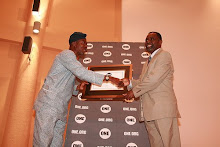
L-R Immersion Fellows: Alex Abutu, Yusuf Ibrahim, Akin Jimoh (Program Director,Devcoms Network Nigeria) and Onche Odeh at the Award Ceremony in Accra Ghana

The ONE Campaign is delighted to announce that Development Communications (Devcoms)Network is the winner of the 2008 ONE Africa Award.

Devcoms Network was awarded the prize of $100,000 for their work with the media in Nigeria, training and sensitizing journalists and editors to public health care issues, especially for women and children.

This is the first annual ONE Africa Award, which has been created to honour outstanding contributions by Africans towards achieving the Millennium Development Goals.

Reducing child and maternal mortality are the fourth and fifth Millennium Development Goals, but are the ones where least progress has been made,especially in Africa.

Devcoms’ work, sensitising and immersing reporters in public health issues has seen a 15% rise in media coverage of maternal and child health in Nigeria. They also provide media support to advocacy efforts for free maternal and child health care across the country.

“This was a very difficult decision”, said Oliver Buston from ONE. “Devcoms was selected because they are innovative, have demonstrated a strong positive effect in working towards improved health care for women and children, and also to ensure MDG funding in Nigeria is properly monitored. We were also impressed by their plans to scale up their programmes.”

The award was announced at the CSO Parallel Forum on Aid Effectiveness in Accra, where transparency has been a recurring theme.

“There are very strong links between transparency, good information, and development,” said Buston. “Greater transparency is the first step to more effective aid. Transparency allows donors to coordinate, it allows African governments to plan properly and it empowers citizens to hold their governments to account. Devcoms’ work with the media is making impressive headway in this critical part of the development picture. We are delighted that they are the first winners of the ONE Africa Award.”

Devcoms Network Programme Director Akin Jimoh received the award in Accra. “This is a great opportunity to expand our scope of service to the women and children of Africa,” said Jimoh. “We believe the silent sighs of our women and children have to stop. We will equip our media to track the huge resources budgeted for MDGs 4 and 5, as well as other issues, from allocation to implementation.”

We particularly appreciate the recognition given to media work by our NGO partners, especially the Core Technical Committee and the Partnership for Maternal, Newborn and Child Health in Nigeria.”

www.ONE.org

ONE is a global advocacy and campaigning organization dedicated to ending extreme poverty around the globe, with a special focus on Africa. ONE is backed by 2.4 million people from all around the world.

ONE contacts in Accra

Katy Cronin, Media Manager
UK mobile + 44 7788 710 789
Ghana mobile 0240 249593
Email katy.cronin@one.org

Oliver Buston, Europe Director
UK mobile +44 7963 288 446
Email oliver.buston@one.org

Akin Jimoh, Development Communications Network
Ghana Mobile 0240261474
Nigeria Mobile +234 803 3053 713
ajimoh@devcomsnetwork.org

Monday, 1 September 2008

No effective aid comes in Sierra Leone…says Action Aid Director

The Country Director of Action Aid in Sierra Leone, Mr. Tennyson Williams, has said that more than half of the developmental aid coming to the West African states of Sierra Leone is fake and is an illusion made up to address poverty.

Mr. Williams exposed this development aid issue at a seminar held in the capital Freetown recently, adding that development priorities have changed as people are no longer talking about good roads, water and sanitation in the country.

“We should now be thinking of fighting poverty by creating wealth and not fighting poverty by creating poverty,” he pointed out.

In his address on the Paris Declaration which Sierra Leone and many other countries signed so as to improve on how aid was being spent to reduce poverty, Mr. Williams observed that one of the problems affecting the Paris Declaration was that 40 percent of donor funds are spent on administration costs.

He continued that another problem with the Paris Declaration was that donors should follow the country’s agenda; this he said should be in alignment with the priority of the country, not what the donor wants.

Mr. Williams further stated that partners were mutually accountable and that it should be a two way process, and that developing nations should be in the lead. He stressed that donors always plan the giant, as there is no harmonization between partners.

“We are putting pressure on our donors, we the people also need to do something because we don’t have anything to offer to their donor,” Mr. Williams said.

As the donors are preparing for the Third High Level Forum on Aid Effectiveness in Accra, Ghana, the country director urged the country’s delegation to be ready to push effectiveness of aid, and that they should not hide behind Ghana, “as aid should not be given for the sake of aid but it should be effective.”

In his presentation on aid effectiveness, a consultant at Action aid Sierra Leone 5 unit Bagree, said that aid was in support of the social and economic development of poor countries to eradicate poverty.

“The effectiveness of aid should lead the people out of poverty and suffering but not to plunge the receipting into more constraints,” he disclosed.

In his contribution, the chairman of the Civil Society Movement of Sierra Leone (CSMSL), Mr. Festus Minah, said that the seminar was a step in the right direction as it has not only helped to illustrate the parameters of aid effectiveness, but will also assist in preparing the country delegation to the third high level forum in the Ghanaian capital Accra.


* By Bai-Bai SESAY
Freetown-Sierra Leone


Culled from www.media21geneva.org

Aids fails to reduce poverty and inequality in Africa

The third High Level Forum on Aid Effectiveness opened today Accra with civil society organizations (CSOs) saying that aid to developing countries has failed to reduce poverty and inequality.

In an opening remark, Ms Cecilla Alemany, Manager, Influencing Development Actors and Practice for Women Rights said that aid had continued to meet donor’s own foreign and economic policy interest.

``Aid can help to lift people out of poverty and help them to realize their human rights but this is not the case with donors,’’ she said.

Alemany said that aid, however, was not working for poor people as it was used to serve the interest of the rich and powerful.

``We know why much aid does not work for poor people. But action by both donors and recipients to change their policies and practice is shamefully slow,’’ she said.

She also said that donor governments and agencies have failed to recognize the role of civil society organizations (CSOs) in aid effectiveness. ``The roles assumed by CSOs are not substitutes for government obligations to meet their responsibilities for their citizens.

``CSOs are development actors in their own rights, rooted in organization of citizens to claim rights and hold governments and donors to account,’’ she added.

She said that CSOs must be giving full play to hold donors and government to account for implementing aid effectiveness principles.


* By Alex Abutu
Immersion Fellow

Tracking the effectiveness of aid in Africa


Immersion fellow; Ibrahim Apekhade Yusuf, spotlights the agenda of the conference on aid effectiveness in Africa, which opened today in Accra, Ghana


With few exceptions, many countries in the continent of Africa pine under the yoke of poverty such that they relish the handouts from donor-nations and other institutions who are magnanimous enough to part with a penny here, a nickle there.

The situation is so pathetic that most of these affected countries cannot imagine surviving a day if the donors fail to honour their pledges to them as and when due.
On the other hand however, there is the unending contention of whether aids and grants from these donor-agencies have translated to improved standard of living for the people of Africa. Critics have particularly argued that aid to Africa has been largely wasted through corruption by a callous system.

The foregoing issues are part of the agenda of the proposed Third High Level Forum on Aid Effectiveness in Africa which begins today Monday, September 1, 2008 in Accra, Ghana to end Friday, September 5th, 2008.

The conference which is being hosted by the government of Ghana will be attended by ministers from over 100 countries; heads of bilateral and multilateral development agencies, donor organisations and civil society organisations from around the world.
Their common objective is to help developing countries and marginalized people in their fight against poverty by making aid more transparent, accountable and result oriented.

Specifically, the Third High Level Forum in Aid Effectiveness will seek to review progress improving aid effectiveness, broaden the dialogue to newer actors, chart a course from international action on aid effectiveness, among others.
Besides, ministers and agency heads are expected to consider and endorse the Accra Agenda for Action (AAA) to deepen implementation of the Paris declaration and respond to emerging aid effectiveness issues.

The AAA has been drafted through a broad-based process of dialogue at both country and international levels, carried out through the work of WP – EFF and its joint ventures, regional preparatory consultations with the various partner countries.

The Paris Declaration on Aid Effectiveness which predates the Accra Agenda for Action expresses the international community’s convention on the direction for reforming aid delivery and management to achieve improved effectiveness and results.

The Paris Declaration which is grounded on five mutually reinforcing principles namely, ownership, alignment harmonization, managing for results and mutual accountability suggests ways by which countries can exercise effective leadership over their development policies and strategies and coordinate development actions.

The conference, according to the organizers promises to be intellectually engaging judging by the caliber of brainstorming sessions and different levels of interfaces to be held.

* By Ibrahim Yusuf