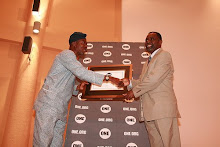
Fight Against HIV/AIDS Carried To Imams
In the continuous and combined efforts at ensuring better public health in Nigeria, the ongoing workshop organized by the Muslims Against Aids (MAIDS) in conjunction with the Public Affairs Section of the United States Consulate General is a major landmark in the fight against HIV/AIDS pandemic in the Nigeria.
‘Protecting the Ummah: Role of the Imam’ is the theme of the 3-day HIV/AIDS workshop.
Speaking at the opening, Ms Mary Lou Johnson Pizarro, Public Diplomacy Officer at the US Consulate reiterated the important role of religious leaders in the effort to reduce HIV infection and the resultant effects of the social stigma. According to her, since HIV/AIDS does not discriminate against everyone based on their race, colour, ethnic tribe or religion, there is a need to ensure that the efforts at its reduction to come from various sectors of the society. She stressed that the Imams will serve as a catalyst for change because of their influential positions in their various communities.
Pizarro said, the US Government will continue to support the fight against the spread of HIV/AIDS in Nigeria and also expect that the workshop will serve as an eye-opener for the participants who have ample opportunities of relating and practicing the things they would learn in the course of the workshop.
Capt. M.B. Ahmad, one of the workshop participants said that the role of religious leaders in the fight against HIV/AIDS cannot be over emphasized because of the influence they have over their followers. He lamented the fact that there has always being workshops on HIV/AIDS organized for various groups of people but there has not being any for religious leaders especially the Imams. While lauding the organizers of the workshop, he was optimistic that programme will serve its objectives and expectation and urged for a more regular workshops.
The training for the Imams, which will be the first of its kind in Lagos, Nigeria, has participants from the various local government areas of Lagos. The workshop which is part of activities to mark the 2007 World AIDS Day is expected to end on the 29th of November 2007.
By Akinpelumi Akinlolu
Friday, 30 November 2007


Monday, 19 November 2007
Training of non-obstetrician healthcare workers can stem haemorrhage
 Dr. Sadauki and Prof. Otolorin during a session at the SOGON conference.
 FRIDAY Nov 16, 2007
BENIN NIGERIA ----- The Effective competency-based training of non-obstetrician healthcare workers can lead to the successful management and prevention of Post partum haemorrhage (PPH) which has been acknowledged to be the leading cause of death among women globally and particularly in Nigeria. In the same vein, the use of anatomic models has been found to be invaluable for clinical skills development in the absence of PPH client load.
This result of the study conducted by Access to Clinical and Community Maternal, neonatal and Women’s Health Services (ACCESS, Nigeria) with the support of USAID was disseminated at the ongoing 41st scientific conference and AGM of the Society of Obstetrics and Gynaecology of Nigeria (SOGON) by Professor Emmanuel Dipo Otolorin, Chief of Party of ACCESS, Nigeria in a presentation titled ‘Competency Based Training for the Prevention and Management of Postpartum Haemorrhage’.
According to Professor Otolorin, since PPH can be drastically reduced with the Active Management of the Third Stage of Labour (AMTSL) and other medical skills, there is a critical need to ensure that birth attendants develop skills for managing this stage and other skills such as Manual removal of placenta; Repair of episiotomy and vaginal/perineal lacerations; Repair of cervical lacerations; Compression of abdominal aorta and the Bimanual compression of uterus.
The study which showed that there was marked improvement in the competence levels of the study participants was conducted in Zamfara and Kano States in Northern Nigeria. The maternal mortality rate in northern Nigeria is estimated at 1000 per 100, 000 live births and this can be attributed to the fact that many deliveries are done with no skilled attendant present and where they are present, may lack the skills required to manage the haemorrhage. The simulated scenarios which required different cadre of health personnel such as the laboratory scientist, anesthesian, working together brought to fore the need to develop and encourage the effective collaboration/team spirit among different medical personnel.
In the study, both skilled and semi-skilled health workers were trained using Anatomic models which included childbirth simulator, Fetal model, Placenta model with velcro attachment to abdominal wall, Cloth placenta with membranes and Foam blocks. While equipment such as Delivery kit, Episiotomy repair kit and print teaching materials were used and the study participants made to use Personal protective equipment, Decontamination equipment and Sharps disposal boxes.
However, the study showed that there was a need to step down the language of the training package for Community Health Extension Workers (CHEWs) besides training more midwives and CHEWs who are closest to these women in the community. Otolorin pointed that other skills that needs to be included in the curriculum include Suturing and knot tying (simple, vertical and longitudinal mattress stitches), conducting bedside clotting test, Use of hydrostatic balloon, and the use of antishock garment.
Otolorin concluded that competence-trainings should be a regular feature in Nigerian health facilities and for personnel in different fields relevant to maternal and neonatal health. This will ensure the properly management of emergency pregnancy complications but attention should be paid to the training of the community extension workers who are the people closest to the women in resource poor settings.
*Reported by Nnenna Ike
Haemorrhage-stopping device unveiled at SOGON conference
FRIDAY November 16, 2007 BENIN, NIGERIA ----- A novel method of treating haemorrhagic shock in women during or after childbirth has been unveiled and is being advocated for use by obstetricians and gynaecologists of Nigeria. The revelation of the Non-Pneumatic Anti Shock Garment (NASG) was made at the ongoing 41st Scientific Conference of the Society of Obstetrics and Gynaecology of Nigeria (SPGON) taking place in Benin Nigeria.
Professor Oladosu A. Ojengbede, Director Centre for Population & Reproductive Health, College of Medicine, University of Ibadan Oyo State Nigeria made this known in his presentation titled ‘Management of haemorrhagic shock’.
According to Ojengbede, obstetric haemorrhage is blood loss or bleeding during pregnancy; labour and within 42 days of termination of pregnancy. When there is excessive blood loss, women go into a state of shock which is progressively more dangerous if actions are taken on time to revive the patient. The major method of managing haemorrhagic shock’ is through resuscitation, which involves oxygenation, restoration of circulation, drug therapy, further evaluation and remedy of the basic problem that led to the shock.
The NASG is constructed like a pair of open-seamed trousers with one half made of velcro material so that it can be worn by women of varying sizes. It is worn from the abdomen to the legs and works by applying external counter pressure to the lower body, such that the blood is forced back towards the head and chest when the women is in a prone position. This way, the NASG can be used for Postpartum hemorrhage, Post cesarean hemorrhage, Ectopic Pregnancy, Trauma with injury/hemorrhage below the diaphragm while stabilizing the woman for further evaluation, transporting or preparing for definitive surgical treatment.
The NASG can be applied by anybody –doctors, nurses, CHEW, health attendants, ambulance drivers etc - who has been trained and with proper monitoring for adverse effects, can be safely and comfortably used for 24 - 48 hours. The NASG is so effective, it may arrest bleeding and avoid surgical intervention and even decrease the need for blood transfusions.
Prof Ojengbede however warned that the use of anti shock garment does not avert the necessity for evaluation to identify cause of shock, management of fluid and blood replacement, and appropriate therapy.

Prof. Ojengbede and colleague testing NASG at SOGON conference.
*Reported by Nnenna Ike
Professor Oladosu A. Ojengbede, Director Centre for Population & Reproductive Health, College of Medicine, University of Ibadan Oyo State Nigeria made this known in his presentation titled ‘Management of haemorrhagic shock’.
According to Ojengbede, obstetric haemorrhage is blood loss or bleeding during pregnancy; labour and within 42 days of termination of pregnancy. When there is excessive blood loss, women go into a state of shock which is progressively more dangerous if actions are taken on time to revive the patient. The major method of managing haemorrhagic shock’ is through resuscitation, which involves oxygenation, restoration of circulation, drug therapy, further evaluation and remedy of the basic problem that led to the shock.
The NASG is constructed like a pair of open-seamed trousers with one half made of velcro material so that it can be worn by women of varying sizes. It is worn from the abdomen to the legs and works by applying external counter pressure to the lower body, such that the blood is forced back towards the head and chest when the women is in a prone position. This way, the NASG can be used for Postpartum hemorrhage, Post cesarean hemorrhage, Ectopic Pregnancy, Trauma with injury/hemorrhage below the diaphragm while stabilizing the woman for further evaluation, transporting or preparing for definitive surgical treatment.
The NASG can be applied by anybody –doctors, nurses, CHEW, health attendants, ambulance drivers etc - who has been trained and with proper monitoring for adverse effects, can be safely and comfortably used for 24 - 48 hours. The NASG is so effective, it may arrest bleeding and avoid surgical intervention and even decrease the need for blood transfusions.
Prof Ojengbede however warned that the use of anti shock garment does not avert the necessity for evaluation to identify cause of shock, management of fluid and blood replacement, and appropriate therapy.

Prof. Ojengbede and colleague testing NASG at SOGON conference.
*Reported by Nnenna Ike
Friday, 16 November 2007
Govt makes pronouncement on post-partum haemorrhage drug
FRIDAY Nov 16, 2007
BENIN NIGERIA ------As Post-Partum Haemorrhage (PPH) continues to be the leading cause of maternal deaths in Nigeria accounting for 25% of maternal mortality, the search for a drug that can be administered to women especially in rural and resource poor setting got a boost with the federal ministry of health making a pronouncement on the drug Misoprostol. This is because the burden of maternal mortality rests on the grass root population and since this drug requires little/no expertise; its use should be promoted in order to reduce PPH which hitherto is the commonest cause of maternal mortality.
Dr Moji Odeku Director at the Reproductive Health Unit of the Ministry of Health made this pronouncement on behalf of the government at the 41st Conference of the Of Gynaecology and Obstetrics Of Nigeria (SOGON) taking place in the ancient city of Benin, Nigeria from the 14th to 17th November 2007.
She told participants that the present maternal mortality situation were basically due to the three delays namely: seeking care; accessing care and reaching healthcare. This was besides the fact that most pregnant women are anaemic and thus cannot tolerate blood loss, the lack of blood bank in most health facilities, and the socio-cultural and religious bias against blood transfusion. These trends according to her led to the study on the dug ‘Misoprostol’, a 3rd line uterotonic which is stable at room temperature, has a long shelf life and can be used at primary level were 70% of Nigerians dwell.
Dr Odeku said that the federal Ministry has since reviewed the clinical guideline and is recommending that ‘Misoprostol’ be introduced at health facility levels where it ca be administered by skilled birth attendants including doctors, nurses and midwives, and can also be administered by trained health care providers who are MLSS trained Community Health Extension Workers (CHEWS). She stressed that every effort would be made to ensure that the drug is readily available in the country and at generic dosages at affordable prices.
However, her presentation maintained that though ‘Misoprostol’ should be used for the prevention of PPH, uterotonics should be used in the following order Oxytocin, Erometrin and Misoprostol. She concluded that the information memo will be presented at the National Council on Health later in the year while a National dissemination meeting by the Minister of health would convene in December 2007. Thereafter, the ministry would commence a State training and sensitisation on the use of ‘Misoprostol’ in the 36 state of Nigeria including the FCT. This would be to enlighten the personnel who might be administering ‘Misoprostol’ in future against mis-use.
Dr Odeku urged medical personnel to embark on data gathering as an form of operation research to assess side effects, compare the cadre of the drug administrators and other relevant information as this would him in the formulation of the right policy on the drug use in Nigeria.
*Reported by Nnenna Ike
For more updates please join 1. http://groups.yahoo.com/group/SciPHJournalismForum/ and 2. http://health.groups.yahoo.com/group/ReproductiveHealthforum/
##
BENIN NIGERIA ------As Post-Partum Haemorrhage (PPH) continues to be the leading cause of maternal deaths in Nigeria accounting for 25% of maternal mortality, the search for a drug that can be administered to women especially in rural and resource poor setting got a boost with the federal ministry of health making a pronouncement on the drug Misoprostol. This is because the burden of maternal mortality rests on the grass root population and since this drug requires little/no expertise; its use should be promoted in order to reduce PPH which hitherto is the commonest cause of maternal mortality.
Dr Moji Odeku Director at the Reproductive Health Unit of the Ministry of Health made this pronouncement on behalf of the government at the 41st Conference of the Of Gynaecology and Obstetrics Of Nigeria (SOGON) taking place in the ancient city of Benin, Nigeria from the 14th to 17th November 2007.
She told participants that the present maternal mortality situation were basically due to the three delays namely: seeking care; accessing care and reaching healthcare. This was besides the fact that most pregnant women are anaemic and thus cannot tolerate blood loss, the lack of blood bank in most health facilities, and the socio-cultural and religious bias against blood transfusion. These trends according to her led to the study on the dug ‘Misoprostol’, a 3rd line uterotonic which is stable at room temperature, has a long shelf life and can be used at primary level were 70% of Nigerians dwell.
Dr Odeku said that the federal Ministry has since reviewed the clinical guideline and is recommending that ‘Misoprostol’ be introduced at health facility levels where it ca be administered by skilled birth attendants including doctors, nurses and midwives, and can also be administered by trained health care providers who are MLSS trained Community Health Extension Workers (CHEWS). She stressed that every effort would be made to ensure that the drug is readily available in the country and at generic dosages at affordable prices.
However, her presentation maintained that though ‘Misoprostol’ should be used for the prevention of PPH, uterotonics should be used in the following order Oxytocin, Erometrin and Misoprostol. She concluded that the information memo will be presented at the National Council on Health later in the year while a National dissemination meeting by the Minister of health would convene in December 2007. Thereafter, the ministry would commence a State training and sensitisation on the use of ‘Misoprostol’ in the 36 state of Nigeria including the FCT. This would be to enlighten the personnel who might be administering ‘Misoprostol’ in future against mis-use.
Dr Odeku urged medical personnel to embark on data gathering as an form of operation research to assess side effects, compare the cadre of the drug administrators and other relevant information as this would him in the formulation of the right policy on the drug use in Nigeria.
*Reported by Nnenna Ike
For more updates please join 1. http://groups.yahoo.com/group/SciPHJournalismForum/ and 2. http://health.groups.yahoo.com/group/ReproductiveHealthforum/
##
IMNCH endorsed by Nigerian Obstetricians and Gynaecologists
 Chief (Dr.) Abiola-Oshodi, 1st Vice President with Dr. (Sir) JOhn Okaro, President, SOGON.
 FRIDAY November 16, 2007 BENIN, NIGERIA ----- Nigerian Obstetricians and Gynaecologists have formally thrown their weight behind the Federal government’s new initiative to effectively ameliorate the dismal state of the maternal and child care delivery in Nigeria. The initiate known as the Integrated Maternal, Newborn and Child Health (IMNCH) Strategies is being spearheaded by the federal ministry of health involves the reorganization and reorientation of the health system to ensure the delivery of a set of essential interventions which will provide a continuum of care for women, neonates and children. The IMNCH strategy is a holistic approach; it replaces the competing calls for mother or child.
Dr (Sir) John Okaro, President of the Society of Obstetrics and Gynaecology of Nigeria (SOGON) made this assertion, Thursday at the opening of the 41st Scientific Conference and AGM of the Society in Benin Nigeria. Dr Okaro was reacting to a speech made by Dr Moji Odeku, Director, Reproductive Health Unit at the Federal Ministry of Health Abuja.
In her speech, Dr Odeku said, the IMNCH represents the articulation of bold and new thinking on how to fast-track comprehensive action to turn around maternal and child health in the country. It pulls together in a practical continuum, an evidence-based maternal, newborn and child health framework for achieving Millennium Development Goals. Since maternal and neonatal mortality are often the result of a badly managed pregnancy and home delivery without a skilled birth attendant, the thousands of needless deaths would be prevented by implementing the integrated maternal, newborn and child health interventions.
She maintained that the new initiative would only be effective when bodies of medical professionals such as SOGON buy in into it and thus reduce the numerous parallel-running programmes on maternal and child healthcare. According to Odeku, IMNCH is a multisectoral approach which can only work when the different sectors acknowledge their roles and start implementing the responsibilities accruing to the roles.
She maintained that a sustained investment and a systematic phased gradation of essential IMNCH interventions, integrated in a continuum of care is required — when these interventions are in place the lives of many more mothers, infants and children will be saved. While commending the Edo State government for the new directive of tree treatment for pregnant women and children under five years, Odeku urged every state government to make adequate investment plans for the human resource and health facility in the areas under their jurisdiction so that the roll-out of IMNCH would yield lasting impact.
Responding, Dr. Okaro, asserted that maternal death, stillbirths and newborn deaths are strongly linked to deliveries which take place outside of health facilities, without properly trained birth attendants in attendance, or in health centres which are not equipped or staffed to handle emergency obstetric or neonate crises. He hoped that with the roll-out and implementation of the IMNCH strategy, the problems of not having skilled attendants, health centres without necessary facilities to deal with obstetric emergency and all the other problems that the members of the Society face in the discharge of their duties.
It is hoped that integrating maternal, newborn and child healthcare services will provide an opportunity for the health sector to eliminate unhelpful dichotomies (i.e. mother vs child, short term vs long term, skilled care vs community approaches, and intrapartum vs continuum of care) that stifle funding and lead to confusion and ultimately cost lives.
The SOGON Conference is a 4-day event with the main theme being Intersectorial collaboration for improving maternal and Neo-natal Health, while the Subthemes are Prevention of Cervical Cancer, Post-partum Haemorrhage.
*Reported by Nnenna Ike
For more updates please join 1. http://groups.yahoo.com/group/SciPHJournalismForum/ and 2. http://health.groups.yahoo.com/group/ReproductiveHealthforum/
#####
Thursday, 15 November 2007
SOGON conference begins: Experts call for adherence to WHO recommendations
 Prof. Emmanuel Dipo Otolorin, Chief of Party, ACCESS Nigeria
THURSDAY Nov 15, 2007
BENIN NIGERIA------Prof. Otolorin, Chief of Party, ACCESS Program Nigeria has made a call to Nigerian medical professionals in the field of Obstetrics and Gynaecology to update themselves with current recommendations for the prevention of Post-partum Haemorrhage. Since PPH is the leading cause of maternal mortality globally and especially in Nigeria.
He made this call while presenting his paper titled Prevention of Post-Partum Haemorrhage the role of Uterotonics at the pre-conference workshop preceding the opening of the 41st Conference of the Society Of Gynaecology and Obstetrics Of Nigeria (SOGON) taking place in the ancient city of Benin from the 14th to 17th November 2007.
According to him, the various uterotonic agents used to prevent PPH include Oxytocin, Ergometrine and Prostaglandin analogues. However there is evidence to show the choice of Oxytocin as the first line of drug for the prevention of PPH over other uterotonics. He maintained that the large number of death experienced by Nigerian women would be reduced if proper attention is paid by medical personnel to the services rendered during a last stage of delivery. This, he said is known as Active management of third stage of labour (AMTSL)
Prof. Otolorin added the advantages of Oxytocin as being effective within 2 to 3 minutes after administration, minimal side effects, can be used on all women and that it is inexpensive. He cited its disadvantage as requiring cold chain handling and storage to maintain its potency. This he said can be remedied with the provision of solar cooling facility.
According to him, with Nigeria being in the tropics, we should be able to utilise the abundant sunlight we have with cost effective innovations. He recommended that Nigerian States should use the UNICEF prototype of solar coolant for vaccines for the storage of Oxytocin. He explained that one solar cooling facility can be procured and maintained by a number of health facilities in a State, such that there is always an availability of Oxytocin in health centres for use by women during delivery.
To ensure that the AMTSL is enhanced such that women do not die of PPH in Nigeria, there is need for an intersectoral approach to the services offered at that period. There should be an efficient collaboration among the different medical personnel, from the midwives, the laboratory scientist, doctors and even the people outside of the health facility. The government’s role would be in the provision of utilities such as electricity, water, and drugs supply at all times to health facilities.
 Benin cultural troop at the opening ceremony of the SOGUN Conference.
*Reported by Nnenna Ike
Failure of CEDAW, NIRH bills passage retrogressive
 Dr. (Sir) John Okaro, President, Society of Gynaecology and Obstetrics of Nigeria (SOGON)
Failure Of CEDAW, National Institute of Reproductive Health Bills Malicious And Retrogressive---SOGON
THURSDAY November 15, 2007 BENIN, NIGERIA ----The failure of the National Institute of Reproductive Health (NIRH) and the CEDAW Bills at the Nigerian legislative houses has been described as malicious and retrogressive in view of the fact that these bills would have started a marked reduction in the number of women who die in Nigeria due to pregnancy-related complications and their natural roles as women. Though Nigeria contributes only 2% of the world population, she contributes up to 10%of the deaths of women who die from pregnancy with an estimated 53,000 dying every year!
Prof (Sir) John Okaro, President of the Society of Obstetrics and Gynaecology of Nigeria (SOGON) made this assertion, Wednesday at the Pre-Conference Press briefing of the 41st Scientific conference and AGM of the Society. According to him, the failure of passage of the National Institute of Reproductive Health (NIRH) and the Convention on the Elimination of All Forms of Discrimination against Women (CEDAW), both women-friendly Bills would make the Nigerian statistics on maternal and neonatal deaths remain unacceptably high because of the misconception that the bills will promote abortion.
The Convention on the Elimination of All Forms of Discrimination against Women (CEDAW) is the only human rights treaty which affirms the reproductive rights of women and targets culture and tradition as influential forces shaping gender roles and family relations, while the National Institute of Reproductive Health (NIRH) sought to promote the reproductive health of the vulnerable –all women. The Convention provides the basis for realizing equality between women and men through ensuring women's equal access to, and equal opportunities in, political and public life -- including the right to vote and to stand for election -- as well as education, health and employment. State parties agree to take appropriate measures against all forms of traffic in women and exploitation of women.
The 41st SOGON scientific conference kicked off yesterday Wednesday 14, 2007 in the ancient city of Benin in Nigeria, with the body calling on the media to wake up to its responsibility of educating the Nigerian masses with the view of reducing the three delays that lead to maternal mortality in Nigeria. His words, ‘the press is the bulwark of the future of the Nigerian women, and thus the future of Nigeria. Only the effective partnering of the Press with the medical professional associations would bring about the needed change amongst the populace and even among policy makers.’
 Prof. Ladipo, Executive Director AFRH Ibadan, Oyo State, Nigeria
Professor Ladipo, Executive Director of Association for Reproductive and Family Health Ibadan, reiterated that only the proper understanding of the three delays by all would lead to a reduction in the deaths of Nigerian women during pregnancy. The Press should educate Nigerians about the delays at home, delay in getting to a health facility and the delay in accessing medical care at the facility. According to him, ‘Addressing these delays require that we provide appropriate education to our people, and we raise their level of confidence in the health system, then at the same time, make provision for community midwives who will reside at the communities to be available and skilled. A lot more still needs to be done from the point of view of improving the man power, improving the commodity supply, ensuring that electricity is regular, ensuring that water supply is regularly available, and ensuring that the morale of the health workers themselves is improved.’
Professor Emmanuel Dipo Otolorin, Country Director of ACCESS Nigeria called for more political commitment towards issues that concern women and children from the Nigerian polity. He called on the political leaders to take necessary steps that would ensure that posterity remembers them for good, by making statements and taking the actions to implement them. According to him, ‘Leadership should not be about oneself and the gains for one’s family, it should be about what I helped other people to achieve, what legacies I was able to put in place that would make people to remember me for good.’
The fact that about 53,000 women die annually in Nigeria is a grim realty that Nigeria policy makers have not firmly grasped in the past. These women die mainly from complications during pregnancy and delivery which include excessive bleeding after delivery, sepsis, pregnancy associated high blood pressure, anaemia, malaria and unsafe abortion. Most of these deaths are preventable if the society is better enlightened, social amenities in place and the health system given a boost of motivated personnel, drug supply and the right equipment to handle emergency obstetric complications.
The SOGON Conference is a 4-day event with the main theme being Intersectorial collaboration for improving maternal and Neo-natal Health, while the Subthemes are Prevention of Cervical Cancer, Post-partum Haemorhage.
*Reported by Nnenna Ike
EDITORS NOTE: For more daily reports please go to
http://devcomsmediadelivernow.blogspot.com/
##
Friday, 9 November 2007
MacArthur Foundation pledges to lower maternal mortality in Nigeria
During last month’s Women Deliver conference in London, the president of the John D. and Catherine T. MacArthur Foundation, a private US based grant- making organization, announced that the Foundation will invest $11 million to reduce maternal deaths due to post partum hemorrhage in Nigeria and India.
This substantial investment includes the distribution of anti shock garments, a low cost neoprene suit that helps to stabilise women who are bleeding after child birth, as well as the uterus-contracting drug misoprostol to prevent bleeding, a calibrated blood collection drape to diagnose bleeding, and transportation to get patients to a health facility for assessment and treatment as appropriate. This promises to be very useful as 23 percent of Nigeria’s maternal deaths are due to hemorrhage, particularly in rural areas where transportation to health facilities is often delayed due to poor roads and poor communication.
The anti shock garments are made of lightweight neoprene and resemble the bottom part of a wetsuit. Originally it was developed for use on the battlefield. One of its benefits in a resource-poor environment is that it can be manufactured inexpensively and is reusable up to 100 times. When the suit’s five Velcro closures are tightened around the patient’s body, the compression stops blood from flowing to the lower extremities and forces it back to the hearths, lungs, and brain to counteract the shock. The results are immediate, buying time to transport the woman to a health facility where she can receive care. The woman can even remain in the garment for two to three days, if necessary.
According to a release by Pathfinder International, an organization that provides women, men, and adolescents with access to quality family planning and reproductive information, the introduction of the intervention package will happen in three waves. Pathfinder International and its partners will conduct outreach at the national and local levels to educate policymakers and local leaders about its benefits. Then they will provide training to over 900 health care personnel working in 500 sites and 500 traditional birth attendants working in communities. This training will enable health workers to implement the life-saving interventions and to ensure that women who are referred from the community will receive appropriate care once they reach the hospital. Finally, Pathfinder International will raise awareness among community members about complications that can be remedied with the help of the anti-shock garment.
The grant money allocated by MacArthur Foundation will not only go towards the anti shock garments and health packages for women, but also to addressing other indirect causes of maternal mortality include poverty, income inequities, underdevelopment, gender disparities, poor education, conflicts, food insecurity, and other social determinants of health.
Women Deliver was the biggest conference on women’s health in the last 20 years. Over 1,500 politicians including Ministers from Africa and Asia, human rights activists, NGOs, faith based organisations, health professionals and economists met at London's Excel Conference and Exhibition Centre to assess progress made in preventing maternal deaths and promoting child survival since the 1987 Safe Motherhood conference in Nairobi, Kenya.
*Reported by Amanda Hale
This substantial investment includes the distribution of anti shock garments, a low cost neoprene suit that helps to stabilise women who are bleeding after child birth, as well as the uterus-contracting drug misoprostol to prevent bleeding, a calibrated blood collection drape to diagnose bleeding, and transportation to get patients to a health facility for assessment and treatment as appropriate. This promises to be very useful as 23 percent of Nigeria’s maternal deaths are due to hemorrhage, particularly in rural areas where transportation to health facilities is often delayed due to poor roads and poor communication.
The anti shock garments are made of lightweight neoprene and resemble the bottom part of a wetsuit. Originally it was developed for use on the battlefield. One of its benefits in a resource-poor environment is that it can be manufactured inexpensively and is reusable up to 100 times. When the suit’s five Velcro closures are tightened around the patient’s body, the compression stops blood from flowing to the lower extremities and forces it back to the hearths, lungs, and brain to counteract the shock. The results are immediate, buying time to transport the woman to a health facility where she can receive care. The woman can even remain in the garment for two to three days, if necessary.
According to a release by Pathfinder International, an organization that provides women, men, and adolescents with access to quality family planning and reproductive information, the introduction of the intervention package will happen in three waves. Pathfinder International and its partners will conduct outreach at the national and local levels to educate policymakers and local leaders about its benefits. Then they will provide training to over 900 health care personnel working in 500 sites and 500 traditional birth attendants working in communities. This training will enable health workers to implement the life-saving interventions and to ensure that women who are referred from the community will receive appropriate care once they reach the hospital. Finally, Pathfinder International will raise awareness among community members about complications that can be remedied with the help of the anti-shock garment.
The grant money allocated by MacArthur Foundation will not only go towards the anti shock garments and health packages for women, but also to addressing other indirect causes of maternal mortality include poverty, income inequities, underdevelopment, gender disparities, poor education, conflicts, food insecurity, and other social determinants of health.
Women Deliver was the biggest conference on women’s health in the last 20 years. Over 1,500 politicians including Ministers from Africa and Asia, human rights activists, NGOs, faith based organisations, health professionals and economists met at London's Excel Conference and Exhibition Centre to assess progress made in preventing maternal deaths and promoting child survival since the 1987 Safe Motherhood conference in Nairobi, Kenya.
*Reported by Amanda Hale
Thursday, 8 November 2007
Malnutrition is a leading cause in child deaths
A recent release from Population Reference Bureau in Washington D.C. showed that malnutrition plays a prominent role in the deaths of about 16, 000 young children every day, and virtually all of them in the developing world. This a yearly toll of almost six million children lost to malnutrition. According to the report, nearly 50 per cent of all young children in the developing world do not receive enough iron in their diets, endangering their mental and physical development.
"Malnutrition is the underlying cause of millions of deaths, but lacks public recognition because it does not kill young children directly, as does pneumonia or diarrhea," said Bill Butz, PRB's president. "Many of these deaths could be averted through nutrition measures that are known to be effective, often at low cost."
In Nigeria, where fertility rates continue to rise, women give birth to an average of six children during their lifetime. With so many children born annually, the population has skyrocketed. This means that many children are left without the proper nutrition or vitamins needed to fully develop their bodies into adulthood. According to Doctors Without Borders emergency coordinator Ton Koene, malnutrition in Nigeria is a growing and dangerous problem. Koene worked in southern Borno state in Northern Nigeria during a measles epidemic in 2005, and saw first-hand the effects that malnutrition had on the young population. Out of the 2,500 children screened in southern Borno state, between one to two per cent suffered from severe acute malnutrition (SAM).
"This is quite alarming and particularly unacceptable in conflict-free Borno state," said Koene.
Such a high rate of malnutrition is caused by a number of factors. For one, a large number of young mothers stop breastfeeding too early and are unable to give their babies a healthy, varied diet. Chronic food insecurity is another factor. According to Koene, severe droughts throughout the northern region of Nigeria upset the food supplies of families living there.
To respond, Doctors Without Borders set up several therapeutic feeding centers in Borno state to give malnourished children up to eight meals of special high-protein milk around the clock until they gained enough weight to be released. When little ones were too weak to swallow, they were fed through a tube to their stomach or put on a drip. This process lasted up to six weeks.
Koene suggests that in order to prevent the issue of malnutrition in Nigeria, the government has to deal with deeply rooted social and cultural aspects and to get involved into development issues such as agricultural schemes and long-term education.
"The sad part is that so many child deaths can be prevented through micronutrient supplies or a more effective agricultural system," said Koene. "The government just need to implement these things to see a difference."
*Reported by Amanda Hale
"Malnutrition is the underlying cause of millions of deaths, but lacks public recognition because it does not kill young children directly, as does pneumonia or diarrhea," said Bill Butz, PRB's president. "Many of these deaths could be averted through nutrition measures that are known to be effective, often at low cost."
In Nigeria, where fertility rates continue to rise, women give birth to an average of six children during their lifetime. With so many children born annually, the population has skyrocketed. This means that many children are left without the proper nutrition or vitamins needed to fully develop their bodies into adulthood. According to Doctors Without Borders emergency coordinator Ton Koene, malnutrition in Nigeria is a growing and dangerous problem. Koene worked in southern Borno state in Northern Nigeria during a measles epidemic in 2005, and saw first-hand the effects that malnutrition had on the young population. Out of the 2,500 children screened in southern Borno state, between one to two per cent suffered from severe acute malnutrition (SAM).
"This is quite alarming and particularly unacceptable in conflict-free Borno state," said Koene.
Such a high rate of malnutrition is caused by a number of factors. For one, a large number of young mothers stop breastfeeding too early and are unable to give their babies a healthy, varied diet. Chronic food insecurity is another factor. According to Koene, severe droughts throughout the northern region of Nigeria upset the food supplies of families living there.
To respond, Doctors Without Borders set up several therapeutic feeding centers in Borno state to give malnourished children up to eight meals of special high-protein milk around the clock until they gained enough weight to be released. When little ones were too weak to swallow, they were fed through a tube to their stomach or put on a drip. This process lasted up to six weeks.
Koene suggests that in order to prevent the issue of malnutrition in Nigeria, the government has to deal with deeply rooted social and cultural aspects and to get involved into development issues such as agricultural schemes and long-term education.
"The sad part is that so many child deaths can be prevented through micronutrient supplies or a more effective agricultural system," said Koene. "The government just need to implement these things to see a difference."
*Reported by Amanda Hale
Tuesday, 30 October 2007
The Right to Life and Survival in Nigeria
The right to life is the most obvious right that could be applied to protect a woman at risk of dying in childbirth due to lack of obstetric care. Given the magnitude of an estimated 1,400 maternal deaths worldwide each day, it is remarkable that so few legal proceedings have made their way into Nigeria's national courts to require that the government take all appropriate measures to identify the causes of maternal mortality. This is due in part to families and communities in which women have died of pregnancy-related causes not understanding how governmental neglect of the conditions in which women bear pregnancies and give birth violates their right to life.
Effective protection of the right to life requires that positive measures be taken to ensure access to appropriate health-care services, enabling women to go safely through pregnancy and childbirth and providing couples with the best chance of having a healthy infant. Positive measures might include progressive steps taken to ensure an increasing rate of births are assisted by skilled attendants.
The right to liberty and security of the person is one of the strongest defenses of the right of women to free choice of maternity. If governments and agencies which administer health services fail to provide conditions necessary for safe motherhood, they are accountable for violations of women’s right to liberty and security of the person, and must take all appropriate steps to prevent and remedy the situation.
The right to liberty and security of the person can be applied to require that positive measures be taken to ensure respect in the delivery of reproductive health services to women who are at particular risk. Sometimes adolescents hesitate to seek reproductive health services because they fear that their confidentiality might be breached. They fear, perhaps incorrectly, that information about their sexual behaviour, which they have to make for appropriate health care, will be disclosed to their parents, parents of their partners, teachers and others.
As a result, special care and attention needs to be given to informing adolescents in the community through positive assurances that confidentiality will be protected, and to training health personnel appropriately.
*Reported by Adanma Ike
Effective protection of the right to life requires that positive measures be taken to ensure access to appropriate health-care services, enabling women to go safely through pregnancy and childbirth and providing couples with the best chance of having a healthy infant. Positive measures might include progressive steps taken to ensure an increasing rate of births are assisted by skilled attendants.
The right to liberty and security of the person is one of the strongest defenses of the right of women to free choice of maternity. If governments and agencies which administer health services fail to provide conditions necessary for safe motherhood, they are accountable for violations of women’s right to liberty and security of the person, and must take all appropriate steps to prevent and remedy the situation.
The right to liberty and security of the person can be applied to require that positive measures be taken to ensure respect in the delivery of reproductive health services to women who are at particular risk. Sometimes adolescents hesitate to seek reproductive health services because they fear that their confidentiality might be breached. They fear, perhaps incorrectly, that information about their sexual behaviour, which they have to make for appropriate health care, will be disclosed to their parents, parents of their partners, teachers and others.
As a result, special care and attention needs to be given to informing adolescents in the community through positive assurances that confidentiality will be protected, and to training health personnel appropriately.
*Reported by Adanma Ike
Domestic violence spurs maternal and child deaths
While the level of violence against Nigerian women in the home remains poorly mapped, pilot studies conclude it is "shockingly high".
According to the Amnesty International 2005 Report on Violence Against Women in Nigeria, one-third of women in the country are believed to have experienced sexual, psychological and physical violence in the family. The report states that 50 per cent of men and women justified the beating of women. The study also showed that 64.5 per cent of women and 61.3 per cent of men said that a husband has the right in hitting or beating the wife for some reasons including lateness in cooking food.
Closer to home in Lagos state, up to two-thirds of women in certain communities are believed to have experienced physical, sexual or psychological violence in the family, and in other areas, around 50 percent of women say they are victims to domestic violence. In a recent small-scale study of gender inequality in Lagos and Oyo states, 40 percent of the women interviewed said they had been victims of violence in the family, in some cases for several years. The study concluded that such violence was not documented in Nigeria because of widespread tolerance of violence against women.
“Once a woman is married, she is expected to endure whatever she meets in her matrimonial home," according to information released by Amnesty International.
Though a bill on violence against women (prevention, protection and prohibition) is pending in Nigeria, many women are still denied a fair trial in cases relating to domestic violence. Many courts see domestic violence as a personal affair within the family, and leave the issue to husbands and male family members to judge.
But the consequence of hushing domestic violence is enormous. Researchers have found that abused women tend not to use family planning services, even if readily available, for fear of reprisals from husbands. Women in Nigeria and Kenya, for instance, often hide their contraceptive pills because they are terrified of the consequences should their husbands discover that they no longer control their wives' fertility. Similarly, abused women who participated in focus group discussions in Peru and Mexico said they did not discuss contraceptive use with their husbands out of fear that the men would turn violent. As a result many abused women have unwanted pregnancies resulting in unsafe abortions.
Domestic violence can cause sexually transmitted diseases, including HIV/AIDS, persistent gynecological problems, and psychological problems, including fear of sex and loss of pleasure. As such, domestic violence must be addressed as one of the crucial barriers to maternal, newborn and child health. Politicians, health workers, educators, and the media cannot hope to eradicate maternal and child deaths if such violence against women in Nigeria continues.
*Reported by Amanda Hale
According to the Amnesty International 2005 Report on Violence Against Women in Nigeria, one-third of women in the country are believed to have experienced sexual, psychological and physical violence in the family. The report states that 50 per cent of men and women justified the beating of women. The study also showed that 64.5 per cent of women and 61.3 per cent of men said that a husband has the right in hitting or beating the wife for some reasons including lateness in cooking food.
Closer to home in Lagos state, up to two-thirds of women in certain communities are believed to have experienced physical, sexual or psychological violence in the family, and in other areas, around 50 percent of women say they are victims to domestic violence. In a recent small-scale study of gender inequality in Lagos and Oyo states, 40 percent of the women interviewed said they had been victims of violence in the family, in some cases for several years. The study concluded that such violence was not documented in Nigeria because of widespread tolerance of violence against women.
“Once a woman is married, she is expected to endure whatever she meets in her matrimonial home," according to information released by Amnesty International.
Though a bill on violence against women (prevention, protection and prohibition) is pending in Nigeria, many women are still denied a fair trial in cases relating to domestic violence. Many courts see domestic violence as a personal affair within the family, and leave the issue to husbands and male family members to judge.
But the consequence of hushing domestic violence is enormous. Researchers have found that abused women tend not to use family planning services, even if readily available, for fear of reprisals from husbands. Women in Nigeria and Kenya, for instance, often hide their contraceptive pills because they are terrified of the consequences should their husbands discover that they no longer control their wives' fertility. Similarly, abused women who participated in focus group discussions in Peru and Mexico said they did not discuss contraceptive use with their husbands out of fear that the men would turn violent. As a result many abused women have unwanted pregnancies resulting in unsafe abortions.
Domestic violence can cause sexually transmitted diseases, including HIV/AIDS, persistent gynecological problems, and psychological problems, including fear of sex and loss of pleasure. As such, domestic violence must be addressed as one of the crucial barriers to maternal, newborn and child health. Politicians, health workers, educators, and the media cannot hope to eradicate maternal and child deaths if such violence against women in Nigeria continues.
*Reported by Amanda Hale
Thursday, 25 October 2007
Advancing Safe Motherhood through Human Rights
Do laws and policies facilitate or inhibit women’s access to reproductive health care and obstetric care? Most systems have core principles of medical law that protect the right to informed and free decision-making by patients, their privacy and confidentiality, the competent delivery of services, and the safety and efficacy of products.
Laws that obstruct women’s access to information and care can function as direct causes of maternal mortality. Preventing access to services are laws that criminalize medical procedures that only women request, and that may be indicated to save their lives and health, such as those that govern contraception and abortion. While often tied to social or religious concerns, these criminal laws put women at risk when they prohibit treatment necessary to save the lives of pregnant women.
Systems of health law and policies that restrict women’s reproductive choices are usually based on historical connections between sexuality and morality. Many restrictive policies reflect the idea that women’s sexuality and access to birth control endanger morality and family security.
Laws that entrench women’s inferior status to men and interfere with women’s access to health services seriously jeopardize efforts to reduce maternal mortality. These laws take a variety of forms, such as those that obstruct economic independence by impairing women’s inheritance, employment or acquisition of commercial loans or credit. Account should be taken of criminal laws that condone or neglect violence against women, and, for instance, of inequitable family, education and employment laws that deny adult women alternatives in life to marriage, or that condition women’s self-realization on marriage and motherhood.
The cumulative impact of such laws is often that daughters are seen to burden their families, that their deaths in infancy are inconsequential, and that they will remain in the home to serve other family members until marriage. On marriage, they will obey their husband’s families by rendering services and bearing sons. Accordingly, daughters will be given in marriage to men they do not choose, have no independent status or means while unmarried, conceive early and often in marriage, obediently protect family, social and cultural values before and in child rearing, and be vulnerable to violence and death if perceived to endanger family honour.
A necessary first step towards applying human rights to advance safe motherhood is an assessment of the scope and causes of unsafe motherhood in a particular community, based on available data sources, or on the collection of relevant new data. Where possible, maternal death should be investigated. A maternal death investigation should establish both medical and non-medical causes of death, and whether the death occurs in a hospital or at home. Several factors may influence the success of a maternal death investigation. It must be made clear that the purpose of the investigation is to find ways to reduce maternal mortality – not to find blame.
Account should be taken of criminal laws that condone or neglect violence against women, and, for instance, of inequitable family, education and employment laws that deny adult women alternatives in life to marriage, or that condition women’s self-realization on marriage and motherhood.
Laws and policies that obstruct free choice of maternity, and the availability of and access to services, should also be identified, along with laws that facilitate women’s empowerment and laws that obstruct women's empowerment.
*Reported by Adanma Ike
Laws that obstruct women’s access to information and care can function as direct causes of maternal mortality. Preventing access to services are laws that criminalize medical procedures that only women request, and that may be indicated to save their lives and health, such as those that govern contraception and abortion. While often tied to social or religious concerns, these criminal laws put women at risk when they prohibit treatment necessary to save the lives of pregnant women.
Systems of health law and policies that restrict women’s reproductive choices are usually based on historical connections between sexuality and morality. Many restrictive policies reflect the idea that women’s sexuality and access to birth control endanger morality and family security.
Laws that entrench women’s inferior status to men and interfere with women’s access to health services seriously jeopardize efforts to reduce maternal mortality. These laws take a variety of forms, such as those that obstruct economic independence by impairing women’s inheritance, employment or acquisition of commercial loans or credit. Account should be taken of criminal laws that condone or neglect violence against women, and, for instance, of inequitable family, education and employment laws that deny adult women alternatives in life to marriage, or that condition women’s self-realization on marriage and motherhood.
The cumulative impact of such laws is often that daughters are seen to burden their families, that their deaths in infancy are inconsequential, and that they will remain in the home to serve other family members until marriage. On marriage, they will obey their husband’s families by rendering services and bearing sons. Accordingly, daughters will be given in marriage to men they do not choose, have no independent status or means while unmarried, conceive early and often in marriage, obediently protect family, social and cultural values before and in child rearing, and be vulnerable to violence and death if perceived to endanger family honour.
A necessary first step towards applying human rights to advance safe motherhood is an assessment of the scope and causes of unsafe motherhood in a particular community, based on available data sources, or on the collection of relevant new data. Where possible, maternal death should be investigated. A maternal death investigation should establish both medical and non-medical causes of death, and whether the death occurs in a hospital or at home. Several factors may influence the success of a maternal death investigation. It must be made clear that the purpose of the investigation is to find ways to reduce maternal mortality – not to find blame.
Account should be taken of criminal laws that condone or neglect violence against women, and, for instance, of inequitable family, education and employment laws that deny adult women alternatives in life to marriage, or that condition women’s self-realization on marriage and motherhood.
Laws and policies that obstruct free choice of maternity, and the availability of and access to services, should also be identified, along with laws that facilitate women’s empowerment and laws that obstruct women's empowerment.
*Reported by Adanma Ike
Wednesday, 24 October 2007
Confronting the Issue of Unsafe Abortion
London, Oct. 22, 2007 (NAN): Every year, unsafe abortion kills more than 66,000 women worldwide and maims millions more, the latest statistics show that figure has remained virtually unchanged over the last decade.
The medical journal The Lancet which called it one of the most neglected public health issues of our time, also said that in Africa the statistics have even increased.
What actions can those in power take to stop these deaths? This will form part of the talks at the Global Confrence on Safe Abortion holding in London from Tuesday.
The News Agency of Nigeria (NAN) correspondent who is covering the conference interviewed some participants.
Mrs Maria Meva, a female activist and member of `Catholics Advocate for Choice' from Mexico who spoke with NAN said that those in power should look beyond religious and cultural sentiments and look at the maternal mortality rate in their countries.
She said: ``Mexico just de-criminalised abortion after several years of struggle and between April and now, maternal mortality has dropped trmendously in the city, where it is allowed.''
She said also the U.S restrictions have created a climate in which health care providers in developing countries cannot provide safe abortion care without jeopardising their US funding.
The Ipas co-ordinator of the Advocacy meeeting which took place in London today, Charlotte Horde told NAN that the few countries where the abortion laws had changed, maternal deaths had dropped significantly.
``Conversely, the new blanket abortion ban in Nicaragua pushed through by conservative church leaders has led to increased maternal death,'' said Christine
Gunzalose, a medical doctor and the Nicaraguan representative at the adocacy meeting.
``These deaths are an outrage and completely preventable,'' she added.
The conference which starts tomorrow is expected to have speakers Like Moji Makanjuola of Nigeria Television Authority presenting a paper on Media partnership and other speakers from various countries including Kenya. (NAN)
The medical journal The Lancet which called it one of the most neglected public health issues of our time, also said that in Africa the statistics have even increased.
What actions can those in power take to stop these deaths? This will form part of the talks at the Global Confrence on Safe Abortion holding in London from Tuesday.
The News Agency of Nigeria (NAN) correspondent who is covering the conference interviewed some participants.
Mrs Maria Meva, a female activist and member of `Catholics Advocate for Choice' from Mexico who spoke with NAN said that those in power should look beyond religious and cultural sentiments and look at the maternal mortality rate in their countries.
She said: ``Mexico just de-criminalised abortion after several years of struggle and between April and now, maternal mortality has dropped trmendously in the city, where it is allowed.''
She said also the U.S restrictions have created a climate in which health care providers in developing countries cannot provide safe abortion care without jeopardising their US funding.
The Ipas co-ordinator of the Advocacy meeeting which took place in London today, Charlotte Horde told NAN that the few countries where the abortion laws had changed, maternal deaths had dropped significantly.
``Conversely, the new blanket abortion ban in Nicaragua pushed through by conservative church leaders has led to increased maternal death,'' said Christine
Gunzalose, a medical doctor and the Nicaraguan representative at the adocacy meeting.
``These deaths are an outrage and completely preventable,'' she added.
The conference which starts tomorrow is expected to have speakers Like Moji Makanjuola of Nigeria Television Authority presenting a paper on Media partnership and other speakers from various countries including Kenya. (NAN)
Melodrama as pro-life activists beseech conf. venue
London, Oct. 23, 2007 (NAN): A melodrama ensured today outside the Queen Elizabeth 11 Conference Hall, London as `Pro-life' activists beseeched hall chanting pro life slogans and giving out flyers.
Queen Elizabeth 11 Conference Hall is the venue of the Global Conference on Safe Abortion holding in London, the conference started today, few days after the Safe Motherhood Conference in the same city.
`Pro-Life' activists are those who do not believe in the reformation of abortion laws, they believe that any conception is Life and should not be terminated under any guise.
The News Agency of Nigeria NAN) reports that by eight in the morning, the activists were outside the hall holing placards bearing pro-life messages and distributing flyers with the same messages.
There was quite a number of security personnel clad in yellow reflective coats and helmets, holding batons and making sure the activists do not cross the line, and do not enter the hall.
Karen Fish, a pro-life activist, who gave the NAN correspondent a pro-life flyer said that the leaflet was meant for intelligent open minded people, discussing issues of justice and human rights around abortion.
`` So killing someone is now a human right ? who protects the rights of the unborn child ?'' she asked.
In Karen's hand was a banner bearing, ``Women's needs are more than Abortion''.
Other male and female activists had banners bearing different messages like ``Women do not need Abortion'', ``To legalise abortion is to bring guilt of innocent blood upon the whole nation'' and ``Abortion is a sin against another human being and God''.
The activists were still seen outside the hall when the opening ceremony started at noon.
A black woman, who says she is just Ngwemu told NAN that, the donor bodies who want to help Africa could do other things for them other than abortion.
``Our women do not need abortion, they need empowerment, if they have things to do they will not get pregnant, nor seek abortion.
``These funds should be channelled towards skills acquisition and capacity building as well as loans for small scale enterprise for them to have economic power. (NAN)
Queen Elizabeth 11 Conference Hall is the venue of the Global Conference on Safe Abortion holding in London, the conference started today, few days after the Safe Motherhood Conference in the same city.
`Pro-Life' activists are those who do not believe in the reformation of abortion laws, they believe that any conception is Life and should not be terminated under any guise.
The News Agency of Nigeria NAN) reports that by eight in the morning, the activists were outside the hall holing placards bearing pro-life messages and distributing flyers with the same messages.
There was quite a number of security personnel clad in yellow reflective coats and helmets, holding batons and making sure the activists do not cross the line, and do not enter the hall.
Karen Fish, a pro-life activist, who gave the NAN correspondent a pro-life flyer said that the leaflet was meant for intelligent open minded people, discussing issues of justice and human rights around abortion.
`` So killing someone is now a human right ? who protects the rights of the unborn child ?'' she asked.
In Karen's hand was a banner bearing, ``Women's needs are more than Abortion''.
Other male and female activists had banners bearing different messages like ``Women do not need Abortion'', ``To legalise abortion is to bring guilt of innocent blood upon the whole nation'' and ``Abortion is a sin against another human being and God''.
The activists were still seen outside the hall when the opening ceremony started at noon.
A black woman, who says she is just Ngwemu told NAN that, the donor bodies who want to help Africa could do other things for them other than abortion.
``Our women do not need abortion, they need empowerment, if they have things to do they will not get pregnant, nor seek abortion.
``These funds should be channelled towards skills acquisition and capacity building as well as loans for small scale enterprise for them to have economic power. (NAN)
Nigerian Women urged to stand-up for their rights
London, Oct. 23, 2007 (NAN): As the Global Safe Abortion Conference begins today in London, Nigeria women have been asked to stand-up for their rights.
Prof. Fred Sai, A former Senior Population Advisor to the World Bank on Population, and Adviser to the Ghanian President told the News Agency of Nigeria that for Abortion laws to be reformed, Nigerian women had to be stand up to say they want the reforms.
Sai, who said he knew when the late Prof. Olikoye Ransome Kuti was trying to get the laws reformed in 1994, that some women groups opposed it and up to last year women were still opposing the reforms of the abortion laws in Nigeria.
``There are many powerful women in Nigeria, when they stand up to say they want the laws reformed
they will get it reformed.
``Nigeria needs an internal revolution, the women should see the lives lost or maimed by the restrictive laws and speak out to keep women alive.
``Abortion happens whether legal or illegal, by making it legal, women would access it when they need in health facilities that are registered and with experts, Sai said.
The population expert told NAN that sometimes he wishes some African countries did not get their independence before 1967, because then they would have inherited the reformed abortion laws not the old one which was inherited.
He said : ``We inherited the abortion laws, fourty years after the colonial master reformed their laws, we are yet to change ours in most African countries.''
In a philosophical manner, he said we in Africa were like a choir and we take songs from the western world, change them into our local language and they become ours, that is what we have done with abortion laws, we have made it ours.
He said that before colonialism, there had been issues of unwanted pregnancies in Africa, in cases of rape or incest or pregnancy out of wedlock.
He said in such cases infacticides were committed. ``Any child who would bring dis-honour or stigma to
the family was killed at birth, why are we now behaving as if unwanted pregnancies was new to Africa.?''
He said that the number of valuable lives lost in Africa through unsafe abortions and unwanted pregnancies cannot be quantified economically.
He said some people commit suicide when they have unwanted pregnancies, some visit quacks and loose their lives or become eternally infertile.
``When will we begin to value these lives and allow the woman make her own choice,'' Sai questioned.
Prof. Fred Sai, A former Senior Population Advisor to the World Bank on Population, and Adviser to the Ghanian President told the News Agency of Nigeria that for Abortion laws to be reformed, Nigerian women had to be stand up to say they want the reforms.
Sai, who said he knew when the late Prof. Olikoye Ransome Kuti was trying to get the laws reformed in 1994, that some women groups opposed it and up to last year women were still opposing the reforms of the abortion laws in Nigeria.
``There are many powerful women in Nigeria, when they stand up to say they want the laws reformed
they will get it reformed.
``Nigeria needs an internal revolution, the women should see the lives lost or maimed by the restrictive laws and speak out to keep women alive.
``Abortion happens whether legal or illegal, by making it legal, women would access it when they need in health facilities that are registered and with experts, Sai said.
The population expert told NAN that sometimes he wishes some African countries did not get their independence before 1967, because then they would have inherited the reformed abortion laws not the old one which was inherited.
He said : ``We inherited the abortion laws, fourty years after the colonial master reformed their laws, we are yet to change ours in most African countries.''
In a philosophical manner, he said we in Africa were like a choir and we take songs from the western world, change them into our local language and they become ours, that is what we have done with abortion laws, we have made it ours.
He said that before colonialism, there had been issues of unwanted pregnancies in Africa, in cases of rape or incest or pregnancy out of wedlock.
He said in such cases infacticides were committed. ``Any child who would bring dis-honour or stigma to
the family was killed at birth, why are we now behaving as if unwanted pregnancies was new to Africa.?''
He said that the number of valuable lives lost in Africa through unsafe abortions and unwanted pregnancies cannot be quantified economically.
He said some people commit suicide when they have unwanted pregnancies, some visit quacks and loose their lives or become eternally infertile.
``When will we begin to value these lives and allow the woman make her own choice,'' Sai questioned.
Expand access to safe abortion
London, Oct. 23, 2007 (NAN): Expanding access to safe abortion around the world formed the agenda for the opening ceremony of the Global Abortion Conference today in London.
The News Agency of Nigeria (NAN) reports that not less than 800 delegates, made of public health experts, government representatives and women's health advocates from 60 countries around the world are at the global meeting.
Mr Dana Hovig, Chief Executive of Marie Stopes International (MSI) who opened the conference said that the purpose of the global meeting was to build a momentum around the appalling toll on women's health and lives caused by unsafe abortion.
The organisers of the Conference, MSI, Ipas and Abortion Rights, all NGos working to promote women's reproductive health and rights, called for increased access to safe abortion services, recognised women's
right to self-determination in exercising their reproductive choices, and encouraged efforts to secure legal reform.
Christine McCafferty, a member of the British Parliament, chair of the All Party Group on Population, Development and Reproductive Health, who chaired the opening ceremony, said that the unsafe abortion.
was a tragedy.
``The tragedy of unsafe abortion is still greater given that we have the technology to prevent almost all of the these deaths resulting from unsafe abortion. we cannot sweep it under the carpet.''
Hovig told NAN that attention to the need for governments and donors to significantly increase their investment in making comprehensive sex education, contraception and safe abortion more widely accessible.
``All around the world especially in the poorest countries, unsafe abortion kills women and girls solely because they lack access to safe abortion care, of all the causes of maternal mortality, unsafe abortion is the easiest to prevent.
``It is time for governments and donors to step up and make resources available,'' the MSI Chief Executive said.
Ipas President, Elizabeth Maguire, told NAN that the continuing death toll and injury from unsafe abortion
was a moral outrage and a gross violation of women's basic human rights.
``How many more poor women and girls must suffer or die before we start taking action?'' she asked.
-NAN-F
The News Agency of Nigeria (NAN) reports that not less than 800 delegates, made of public health experts, government representatives and women's health advocates from 60 countries around the world are at the global meeting.
Mr Dana Hovig, Chief Executive of Marie Stopes International (MSI) who opened the conference said that the purpose of the global meeting was to build a momentum around the appalling toll on women's health and lives caused by unsafe abortion.
The organisers of the Conference, MSI, Ipas and Abortion Rights, all NGos working to promote women's reproductive health and rights, called for increased access to safe abortion services, recognised women's
right to self-determination in exercising their reproductive choices, and encouraged efforts to secure legal reform.
Christine McCafferty, a member of the British Parliament, chair of the All Party Group on Population, Development and Reproductive Health, who chaired the opening ceremony, said that the unsafe abortion.
was a tragedy.
``The tragedy of unsafe abortion is still greater given that we have the technology to prevent almost all of the these deaths resulting from unsafe abortion. we cannot sweep it under the carpet.''
Hovig told NAN that attention to the need for governments and donors to significantly increase their investment in making comprehensive sex education, contraception and safe abortion more widely accessible.
``All around the world especially in the poorest countries, unsafe abortion kills women and girls solely because they lack access to safe abortion care, of all the causes of maternal mortality, unsafe abortion is the easiest to prevent.
``It is time for governments and donors to step up and make resources available,'' the MSI Chief Executive said.
Ipas President, Elizabeth Maguire, told NAN that the continuing death toll and injury from unsafe abortion
was a moral outrage and a gross violation of women's basic human rights.
``How many more poor women and girls must suffer or die before we start taking action?'' she asked.
-NAN-F
Friday, 19 October 2007
Child Brides: Stolen Lives
Bilikisu doesn't want to marry. She is adamant about this. But in her village nobody heeds the opinions of headstrong little girls. She is desperate to turn herself into an adult. Then maybe, just maybe, her family would respect her wishes not to wed. She could rebuff the strange man her papa has chosen to be her husband. And she wouldn't have to bear his babies.
Bilikisu's short legs can't carry her away fast enough from the death of her childhood. Her wedding is five days away. And she is seven years old.
Child Brides: Stolen Lives is the title of one of the many documentaries showcased at this year's Women Deliver Global Conference, a conference aimed to reduce maternal and child mortality. The conference, held on October 18-20 in London, brings together medical practitioners, health workers, government bodies, teachers, and advocates to pressure governments into integrating maternal, newborn and child health into their budgets and health plans.
Bilikisu's story is one of many. Coerced by family and culture into lives of servility and isolation, scarred by the trauma of too-early pregnancy, child brides represent a vast, lost generation of children. According to child-rights activists, an estimated 50 million Bilikisus are scattered across the world--young teen or preteen girls whose innocense is sacrificed to arranged marriages, often to older men.
The most far-reaching injustice of child marriage by far is probably its most subtle: it pries millions of young girls out of school. Confined to their husbands' homes, cheated of the benefits of education, these legions of demoralized children are condemned to lives of ignorance and dire poverty from which they rarely escape, and which they endure with numbed desperation.
All the misery and pain occur in silence. They are just children. They don't speak out. They are never heard from.
Problems attributed to child marriage include health and education issues such as poor health, early death and lack of educational opportunities. Education is the most important key to helping end the practice of forced child marriages. Many believe that education may prove to be more successful in preventing child marriages than simply banning child marriages. It is important to provide education to children and parents that will broaden their horizons and convince parents that educating their children is beneficial to their future.
Apart from reading, math, and writing, young girls should learn life skills (including reproduction and contraception information), as well as how to have fun and how to play in sports--all of this is proving to be a positive way to change the lives and futures of adolescent girls.
In India, child marriages have reduced by up to two-thirds due to more educational opportunities for young girls. Girls who are able to complete primary school tend to marry later and have fewer children, thus lowering the rate of maternal and child mortality.
*Reported by Adanma Ike
Bilikisu's short legs can't carry her away fast enough from the death of her childhood. Her wedding is five days away. And she is seven years old.
Child Brides: Stolen Lives is the title of one of the many documentaries showcased at this year's Women Deliver Global Conference, a conference aimed to reduce maternal and child mortality. The conference, held on October 18-20 in London, brings together medical practitioners, health workers, government bodies, teachers, and advocates to pressure governments into integrating maternal, newborn and child health into their budgets and health plans.
Bilikisu's story is one of many. Coerced by family and culture into lives of servility and isolation, scarred by the trauma of too-early pregnancy, child brides represent a vast, lost generation of children. According to child-rights activists, an estimated 50 million Bilikisus are scattered across the world--young teen or preteen girls whose innocense is sacrificed to arranged marriages, often to older men.
The most far-reaching injustice of child marriage by far is probably its most subtle: it pries millions of young girls out of school. Confined to their husbands' homes, cheated of the benefits of education, these legions of demoralized children are condemned to lives of ignorance and dire poverty from which they rarely escape, and which they endure with numbed desperation.
All the misery and pain occur in silence. They are just children. They don't speak out. They are never heard from.
Problems attributed to child marriage include health and education issues such as poor health, early death and lack of educational opportunities. Education is the most important key to helping end the practice of forced child marriages. Many believe that education may prove to be more successful in preventing child marriages than simply banning child marriages. It is important to provide education to children and parents that will broaden their horizons and convince parents that educating their children is beneficial to their future.
Apart from reading, math, and writing, young girls should learn life skills (including reproduction and contraception information), as well as how to have fun and how to play in sports--all of this is proving to be a positive way to change the lives and futures of adolescent girls.
In India, child marriages have reduced by up to two-thirds due to more educational opportunities for young girls. Girls who are able to complete primary school tend to marry later and have fewer children, thus lowering the rate of maternal and child mortality.
*Reported by Adanma Ike
Thursday, 18 October 2007
Investing in Women Is Smart Economics, Women Deliver Conference Shows
A Family Care International Press Release
LONDON – Skyrocketing health care costs and slow economic growth in developing countries could be combated by government investments in family planning, antenatal care for mothers-to-be and skiled care at delivery, according to reports prepared for an upcoming conference here.
Financial experts and leading economists are among more than 1,500 world leaders taking part in Women Deliver, a landmark gathering 18-20 October at the ExCel Conference Centre on reducing pregnancy-related deaths and disabilities worldwide. The theme of the conference is "Invest in Women: It Pays!"
One study estimates that the global economic impact of maternal and newborn deaths at US$15 billion per year in lost potential production, half associated with women and half with newborns. At the moment, one woman dies every minute from complications of pregnancy and delivery--some ten million per generation--and four million newborns die every year.
The World Bank says much of the illness and death that strikes down women and their children each year could be avoided if they had access to stronger helath systems capable of providing core programs of maternal and child health, nutrition, and family planning. Stronger systems could help developing countries to improve the health and well-being of millions of the world's poorest people, boost economic growth, and reduce poverty caused by catastrophic illness.
"Investing in better health for owmen and their children is just smart economics," said Joy Phumaphi, the World Bank's Vice President for Human Development, a former WHO Assistant Director General for Family and Community Health; and Health Minister in Botswana, 1999-2003. "Good health is often thought to be an outcome of economic growth, but increasingly, good health and sound health systems policy have also been recognized as major drivers of economic growth. Educating girls, equal economic opportunities for women, and fewer households living below the poverty line are also vital parts of a strategy to achieve lasting good health for mothers and their children."
At the moment, women's work in housholds, farms, and care-giving equals about a third of the world's gross national product, according to repeated studies--and that is just unpaid work. In addition, women are the sole income earners for up to a third of all households. A mother's disability or death not only raises death and illness rates for her children and destroys families; it also lowers overall community productivity.
Documents prepared for the gathering argue that spending on women's needs creates a "virtuous circle" that raises productivity and lowers overall health care spending. Investing in family planning, for example, lowers the rate of unintended pregnancies, which reduces unsafe abortions, which reduces health care costs. In some countries, up to half of all hospital spending on obstetrics and gynecology goes for treating complications of unsafe abortions.
"Investing in saving women's lives is an incredibly cost-effective thing to do," said Jill Sheffield, president of Family Care International, organizing partner for the conference. The package of services needed to make significant improvements in maternal health would cost less than US$1.50 per person in the 75 countries where 95 per cent of maternal deaths occur, she said.
"This amount is well within reach of donor countries and governments," Sheffield said. "Ministers of health, finance, development and economy are going to hear this message loud and clear at Women Deliver."
###
Contact: Philip Hay at phay@worldbank.org.
LONDON – Skyrocketing health care costs and slow economic growth in developing countries could be combated by government investments in family planning, antenatal care for mothers-to-be and skiled care at delivery, according to reports prepared for an upcoming conference here.
Financial experts and leading economists are among more than 1,500 world leaders taking part in Women Deliver, a landmark gathering 18-20 October at the ExCel Conference Centre on reducing pregnancy-related deaths and disabilities worldwide. The theme of the conference is "Invest in Women: It Pays!"
One study estimates that the global economic impact of maternal and newborn deaths at US$15 billion per year in lost potential production, half associated with women and half with newborns. At the moment, one woman dies every minute from complications of pregnancy and delivery--some ten million per generation--and four million newborns die every year.
The World Bank says much of the illness and death that strikes down women and their children each year could be avoided if they had access to stronger helath systems capable of providing core programs of maternal and child health, nutrition, and family planning. Stronger systems could help developing countries to improve the health and well-being of millions of the world's poorest people, boost economic growth, and reduce poverty caused by catastrophic illness.
"Investing in better health for owmen and their children is just smart economics," said Joy Phumaphi, the World Bank's Vice President for Human Development, a former WHO Assistant Director General for Family and Community Health; and Health Minister in Botswana, 1999-2003. "Good health is often thought to be an outcome of economic growth, but increasingly, good health and sound health systems policy have also been recognized as major drivers of economic growth. Educating girls, equal economic opportunities for women, and fewer households living below the poverty line are also vital parts of a strategy to achieve lasting good health for mothers and their children."
At the moment, women's work in housholds, farms, and care-giving equals about a third of the world's gross national product, according to repeated studies--and that is just unpaid work. In addition, women are the sole income earners for up to a third of all households. A mother's disability or death not only raises death and illness rates for her children and destroys families; it also lowers overall community productivity.
Documents prepared for the gathering argue that spending on women's needs creates a "virtuous circle" that raises productivity and lowers overall health care spending. Investing in family planning, for example, lowers the rate of unintended pregnancies, which reduces unsafe abortions, which reduces health care costs. In some countries, up to half of all hospital spending on obstetrics and gynecology goes for treating complications of unsafe abortions.
"Investing in saving women's lives is an incredibly cost-effective thing to do," said Jill Sheffield, president of Family Care International, organizing partner for the conference. The package of services needed to make significant improvements in maternal health would cost less than US$1.50 per person in the 75 countries where 95 per cent of maternal deaths occur, she said.
"This amount is well within reach of donor countries and governments," Sheffield said. "Ministers of health, finance, development and economy are going to hear this message loud and clear at Women Deliver."
###
Contact: Philip Hay at phay@worldbank.org.
UK Pledges 100 million Euro to UNFPA to make childbirth safer and promote reproductive health
UNFPA and DFID Joint Press Release
18 October 2007
LONDON, -- Maternal deaths and unwanted pregnancies can be cut dramatically in countries around the globe after hte British government today pledged 100 million Euro to UNFPA, the United Nations Population Fund, to achieve universal access for reproductive health.
"Maternal health can be improved through strengthened political commitment and the dedication of increased resources. Life or death is a political decision," said Thoraya Ahmed Obaid, UNFPA Executive Director. "The United Kingdom's generous investment in women will enable UNFPA to provide urgent, coordinated and sustained action to save mother's lives. There can be no safe future without safe motherhood--no women should die giving life."
The 100 million Euro over five years was announced today by Douglas Alexander, the UK's Secretary of State for International Development, who called on leaders of the world's poorest countries, especially in Africa, to make women's health a priority on the opening day of Women Deliver, a three-day global conference aimed to reduce maternal mortality.
"The death of a mother deprives a child, a family, a community and ultimately a couny of one of its most valuable sources of health, happiness and prosperty," said Alexander, addressing delegates on the opening day of Women Deliver, a global conference aimed at reducing maternal mortality. "Every minute a woman dies from complications during pregnancy or childbirth. More than 10 million women have died in the last 20 years. This is a tragedy but so is the fact these deaths could have been prevented."
To address this challenge, the UN General Assembly endorsed earlier this month a new target to acheive universal access to reproductive health as part of the Millennium Development Goal 5, which calls for hte reduction of maternal mortality by three quarters by 2015.
Although progress has been made in such countries as Egypt, Honduras, Sri Lanka and Thailand, maternal deaths remain high, particularly in sub-Saharan Africa and South Asia. A woman in Africa faces a 1 in 26 lifetime risk of maternal death compared to 1 in 8,200 in the United Kingdom.
An estimated 720,000 unwanted pregnancies could be averted, 300,000 abortions could be prevented and the lives of 1,600 mothers and 22,000 infants could be saved for every 1 million Euro invested in family planning, Alexander said.
18 October 2007
LONDON, -- Maternal deaths and unwanted pregnancies can be cut dramatically in countries around the globe after hte British government today pledged 100 million Euro to UNFPA, the United Nations Population Fund, to achieve universal access for reproductive health.
"Maternal health can be improved through strengthened political commitment and the dedication of increased resources. Life or death is a political decision," said Thoraya Ahmed Obaid, UNFPA Executive Director. "The United Kingdom's generous investment in women will enable UNFPA to provide urgent, coordinated and sustained action to save mother's lives. There can be no safe future without safe motherhood--no women should die giving life."
The 100 million Euro over five years was announced today by Douglas Alexander, the UK's Secretary of State for International Development, who called on leaders of the world's poorest countries, especially in Africa, to make women's health a priority on the opening day of Women Deliver, a three-day global conference aimed to reduce maternal mortality.
"The death of a mother deprives a child, a family, a community and ultimately a couny of one of its most valuable sources of health, happiness and prosperty," said Alexander, addressing delegates on the opening day of Women Deliver, a global conference aimed at reducing maternal mortality. "Every minute a woman dies from complications during pregnancy or childbirth. More than 10 million women have died in the last 20 years. This is a tragedy but so is the fact these deaths could have been prevented."
To address this challenge, the UN General Assembly endorsed earlier this month a new target to acheive universal access to reproductive health as part of the Millennium Development Goal 5, which calls for hte reduction of maternal mortality by three quarters by 2015.
Although progress has been made in such countries as Egypt, Honduras, Sri Lanka and Thailand, maternal deaths remain high, particularly in sub-Saharan Africa and South Asia. A woman in Africa faces a 1 in 26 lifetime risk of maternal death compared to 1 in 8,200 in the United Kingdom.
An estimated 720,000 unwanted pregnancies could be averted, 300,000 abortions could be prevented and the lives of 1,600 mothers and 22,000 infants could be saved for every 1 million Euro invested in family planning, Alexander said.
Capps to Lead Bipartisan Women’s Caucus Congressional Delegation to Represent United States at Women Deliver Conference in London
FOR IMMEDIATE RELEASE
Press Release from U.S. House of Representatives
Contact: Emily Kryder
October 16, 2007 202-226-7747 office
202-225-6513 cell
WASHINGTON, DC – Congresswoman Lois Capps, Co-Chair of the Congressional Caucus for Women's Issues, will lead a bipartisan Congressional delegation in representing the United States at the Women Deliver Global Conference on Maternal Mortality. The delegation members, Congresswoman Hilda L. Solis, Congresswoman Gwen Moore, Congresswoman Donna Christensen,Congresswoman Louise Slaughter, and Congresswoman Candice Miller will join more than 1500 world leaders--including cabinet ministers, heads of United Nations and other multilateral agencies, senior government officials, health professionals, researchers, economists, and reproductive health advocates- in a historic conference in London from October 18-20. Conference participants are meeting in an effort to reduce the 500,000 deaths that occur annually due to pregnancy and childbirth.
Despite advances in medical care and technology around the world, motherhood remains a risky endeavour that results in millions of tragic deaths annually. These fatalities are a major factor in persistent global poverty, yet many of these needless deaths could be prevented with effective, low-cost investments in preventive health care and education. The Women Deliver Conference participants will examine strategies to improve how health information and care are funded and provided as well as address other important issues for women including poverty reduction, women's human rights, and economic development.
Press Release from U.S. House of Representatives
Contact: Emily Kryder
October 16, 2007 202-226-7747 office
202-225-6513 cell
WASHINGTON, DC – Congresswoman Lois Capps, Co-Chair of the Congressional Caucus for Women's Issues, will lead a bipartisan Congressional delegation in representing the United States at the Women Deliver Global Conference on Maternal Mortality. The delegation members, Congresswoman Hilda L. Solis, Congresswoman Gwen Moore, Congresswoman Donna Christensen,Congresswoman Louise Slaughter, and Congresswoman Candice Miller will join more than 1500 world leaders--including cabinet ministers, heads of United Nations and other multilateral agencies, senior government officials, health professionals, researchers, economists, and reproductive health advocates- in a historic conference in London from October 18-20. Conference participants are meeting in an effort to reduce the 500,000 deaths that occur annually due to pregnancy and childbirth.
Despite advances in medical care and technology around the world, motherhood remains a risky endeavour that results in millions of tragic deaths annually. These fatalities are a major factor in persistent global poverty, yet many of these needless deaths could be prevented with effective, low-cost investments in preventive health care and education. The Women Deliver Conference participants will examine strategies to improve how health information and care are funded and provided as well as address other important issues for women including poverty reduction, women's human rights, and economic development.
Subscribe to:
Posts (Atom)